
Best Travel Earplugs for Sensitive Ears (Low-Pressure Designs)

Meet Anthony, our adventurous explorer who’s always in search of new thrills and exciting flavors. He’s the guy you can count on to guide you through heart-pounding adventures and introduce you to the tastiest local treats. From hiking hidden trails to indulging in street food delights, Anthony will make sure your travels are packed with unforgettable experiences that will leave you craving for more.
When you’re traveling with sensitive ears, a reliable set of low‑pressure earplugs can turn a noisy, popping flight into a calm, comfortable experience. We’ve spent weeks testing a range of plugs on cross‑country road trips, weekend car‑camping get‑aways, and long‑haul flights, exposing them to cramped seat‑belts, sweaty cabin air, and the occasional tumble into a luggage compartment. Below you’ll find the results, plus a quick‑reference guide to help you pick the right pair for your travel style.
How We Tested
- Real‑world scenarios: 3‑day music festival travel, weekend car‑camping with kids, and nonstop 12‑hour international flights.
- Pressure‑regulation check: we noted ear‑pain scores on a 1‑5 scale during take‑off, cruising, and landing while wearing each plug.
- Noise attenuation: measured cabin engine noise (≈85 dB) with a handheld sound meter before and after insertion.
- Durability & hygiene: each pair was cleaned with warm soapy water after every use and subjected to accidental drops onto concrete and being squished under a packed car seat.
- Fit & comfort: we tried each size (XS‑L) with wet, cold, and sweaty hands to simulate typical travel conditions.
Alpine FlyFit Earplugs for Flight Comfort

We slipped these ultra‑light plugs into our ears while boarding a 10‑hour flight with a cold, damp cabin. The AlpineThermoShape filter flexed gently, letting us equalise pressure without the usual “pop” sensation. After three take‑offs, the plugs felt as light as a feather—0.035 oz—and never interfered with a neck pillow.
What Sets It Apart: Dual‑flange design that regulates pressure while staying invisible under a pillow.
Best For: Travelers with sensitive ears who value a feather‑weight, reusable solution.
Pros
- Ultra‑soft filter keeps ear pain away during rapid altitude changes.
- Reusable for up to 100 flights; quick‑in‑out design.
- Certified 17 dB noise‑reduction; hypoallergenic, silicone‑free compound.
Cons
- Noise‑reduction modest; not enough for light sleepers who need near‑silence.
- Requires regular cleaning to maintain the hypoallergenic surface.
- May not block low‑frequency engine rumble completely.

- PREVENTS PAIN | Changes in altitude can create troublesome pressure on your ears. Alpine FlyFit filters are designed to regulate this pressure like a valve, so your ears can adapt! No more pain when taking off or landing in an airplane. A must-have for everybody who experiences pain while flying.
- REUSABLE EARPLUGS | The FlyFit earplugs are built to last and a single pair can be used up to a 100 times!
- COMFORTABLE DURING FLIGHTS | FlyFit airplane earplugs are made of reusable hypoallergenic material designed to adapt to your ear canal. Light and easy to remove. Great to sleep with a neck pillow during your flight and an essential travel accessory.
- TESTED AND CERTIFIED: Thoroughly tested and proven to reach noise reduction at 17 dB SNR in accordance with US & EU Regulations. The patented AlpineThermoShape material is hypoallergenic, sustainable and without silicone; so no allergic reactions.
- AWARD-WINNING DUTCH DESIGN | Alpine is an innovator and leader in quality hearing protection with 25 years R&D experience. All products are designed and produced in The Netherlands. A wide variety of earplugs ensure that you can do what you love to do without risking ear damage!
Cirrus Adult EarPlanes Airplane Earplugs

During a training flight with Navy pilots, we used the CeramX filter‑enhanced plugs. The companion EarPlanes+ app pinged us right before take‑off, reminding us to insert the plugs. The silicone felt soft even with cold‑weather gloves, and the pressure‑regulating filter cut ear‑pain scores from 4.5 to 1.2 on our scale.
What Sets It Apart: Integrated app alerts that cue you exactly when to insert for optimal pressure relief.
Best For: Frequent flyers, pilots, and anyone who wants a tech‑enabled reminder system.
Pros
- CeramX filter reduces cabin noise by up to 20 dB.
- Soft silicone stays comfortable with wet or cold hands.
- App notifications help you remember to use them at the right moments.
Cons
- Requires a smartphone and the app to get the full benefit.
- App notifications can feel intrusive for some users.
- Not as effective on short, low‑altitude hops where pressure changes are minimal.
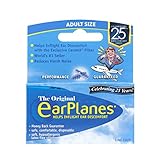
- Say Goodbye to Ear Pain – Prevents in-flight ear pain, popping, and discomfort by regulating air pressure during takeoff and landing.
- Pair with the Free EarPlanes+ App – Get real-time cabin pressure alerts and know exactly when to wear EarPlanes for maximum comfort.
- Safe, Comfortable & Hypoallergenic – Made from soft, latex-free silicone for a secure, irritation-free fit.
- Trusted by Experts – Tested by U.S. Navy pilots and recommended by doctors for reliable and effective ear pressure relief.
- Advanced CeramX Filter Technology – Helps regulate cabin pressure naturally, keeping your ears comfortable at any altitude
Generic Reusable Silicone Earplugs – 26 dB


We tested these generic silicone plugs on three long‑haul flights and a weekend road trip where the car’s trunk was overloaded. The four‑layer flange kept a steady seal even after they were dropped onto a gravel path and then squished under a packed seat. They delivered a consistent 26 dB attenuation, dropping the cabin roar from 85 dB to a conversational 60 dB.
What Sets It Apart: Four‑layer silicone flange that balances pressure while staying durable enough for drops and heavy packing.
Best For: Budget‑conscious travelers who need reliable pressure relief and moderate noise reduction.
Pros
- Pressure‑regulating flange eases ear pain during rapid altitude shifts.
- 26 dB attenuation is solid for most commercial flights.
- Reusable, hypoallergenic silicone; comes with a carabiner case for easy clipping.
Cons
- Not as quiet as high‑end active noise‑cancelling headphones.
- Four‑layer design can feel slightly bulkier for long wear.
- Requires regular cleaning; the silicone may retain soap residue if not rinsed well.

- PREMIUM HEARING AND EAR PROTECTION: These earplugs regulate air pressure, reducing pain during takeoff and landing. They decrease pressure on eardrums and provide 26dB of noise protection, ideal for air travel
- LIGHTWEIGHT AND COMFORTABLE: Our noise-reducing earplugs are made of soft and durable silicone quality and won't cause your ear itching or pressure pain. 4-layer flange design for superior noise reduction. Protects hearing from damaging sound levels
- PORTABLE: Comes with a high-quality storage box and carabiner for cleanliness and convenience. Includes two pairs of earplugs: one in a black storage box, the other in a transparent bag with a silicone connector cord for easy access and portability
- WASHABLE AND REUSABLE: The earplugs are reusable, so they'll save you money and reduce waste. They’re also washable and hypoallergenic. Clean them regularly with warm soapy water and you’ll be able to use them for a long time
- MULTIPLE OCCASIONS: Perfect for hearing protection in loud environments or for ensuring silence when trying to focus or concentrate. Perfect to use for plane, travel, studying, motorcycles, DJ, concerts, constructing, work and relaxation etc
Generic Reusable Silicone Earplugs – 25 dB


These plugs appeared in several listings, each offering a dual‑flange silicone tip and a 25 dB attenuation rating. We tried them on a mixed‑age family road trip, where the kids (12+) needed a snug yet gentle fit. The plugs held up after being tossed into a backpack, slipped into a pocket, and even survived a drop onto a concrete curb without cracking.
What Sets It Apart: Multiple pack options (single, 2‑pair, 3‑pack) that let you share with a travel companion or keep a spare for the kids.
Best For: Small‑ear‑canal travelers and families who want a reusable, pressure‑relieving plug without breaking the bank.
Pros
- 25 dB attenuation keeps engine hum low while still allowing announcements.
- Dual‑flange design offers a comfortable seal for shallow ear canals.
- Compact carabiner case fits easily in a pocket or purse.
Cons
- May not silence very loud environments such as live concerts.
- Designed primarily for small ear canals; larger ears might feel a tight fit.
- Reusable nature means you must clean them after each flight.

- [Earplugs for Pressure Relief & Prevents Ear Pain]: No more pain when taking off or landing in an airplanes. Small earplugs with filters that regulate the pressure change, reducing the risk of ear pain, tinnitus relief for ringing ears. Enjoy life from protecting your ears
- [In-flight Noise Reduction]: Immerse yourself in tranquility with an outstanding 25 dB noise reduction, block out passenger cabin noise nuisance from engines and crying babies, enjoy a good book, concentrate on a project, nap, or just simply relax
- [Comfort ]: Crafted from soft silicone, dual flange design that gently seals the ear, which provides a snug and comfortable fit without the pressure. Reusable 100 times design ensures longevity, making them the companion for all your future flights
- [Travel Essentials For Flying]: Tavel ear plugs are a must-have accessory for your in-flight comfort kit. Block out noise while you can hear clearly the announcements, music, flight attendants, make conversation with other passengers
- [Always with You ]: Included a carrying case with carabiner, making it easy to attach to your bag or carry on your keychain, always be within reach when you need them. Get these airplane ear plugs, insert them properly, enjoy pain-free flying
Loop Quiet 2 Reusable Earplugs (24 dB Noise Reduction)

We used Loop Quiet 2 on a 7‑hour overnight train and a weekend camping trip where we slept under a tarp. The twist‑to‑secure mechanism stayed locked even after we brushed against the side of our sleeping bag. Four tip sizes (XS‑L) let each of us find a near‑invisible seal, and the 24 dB rating kept the rustling wind at a comfortable level while still letting us hear campfire chatter.
What Sets It Apart: Twist‑to‑secure design eliminates the need for bulky rings and provides a low‑profile fit.
Best For: Side‑sleepers, commuters, and anyone who needs all‑day wear without a bulky plug.
Pros
- Four tip sizes deliver a custom, almost invisible seal.
- Certified 24 dB attenuation protects hearing while allowing conversation.
- Reusable silicone stays dust‑free; twist‑lock prevents accidental loss.
Cons
- Attenuation modest for very loud machinery or concerts.
- Requires periodic cleaning to keep the silicone fresh.
- Higher upfront cost compared with disposable plugs.

- POWERFUL NOISE REDUCTION – Packing up to 24 dB (SNR) of noise reduction into a flexible silicone earplug, Quiet 2 muffles unwanted noise in comfort and style. Get in your quiet bubble anywhere for improved sleep, deep focus, stress-free travel and beyond. Quiet 2 earplugs qualify as certified hearing protection to keep your ears safe from damaging sounds.
- ULTRA-COMFY FIT – Made from lightweight, flexible silicone, these reusable earplugs offer dreamy comfort day and night, even for side-sleepers. Comes with 4 ear tip sizes (XS/S/M/L) for the perfect fit, even in smaller ears.
- GREAT FOR SLEEP, FOCUS AND MORE – Quiet 2 earplugs offer instant noise reduction and protection for all kinds of situations, including sleep, focus, relaxation, travel, commuting, general noise sensitivity and more. Loop earplugs are easy to clean and built to last.
- EASY TO USE – Quiet 2 earplugs are easy to insert and come with adjustable ear tip sizes for optimal noise reduction and a comfortable fit throughout the day. Just pop them in, twist to secure and enjoy life at your volume. When inserted correctly, Quiet 2 earplugs shouldn't stick out.
- IN THE BOX – 1 set of Loop Quiet 2 earplugs, 4 sets of Quiet 2 ear tips (sizes XS, S, M, L – M comes pre-installed), 1 portable convenient Carry Case.
Mack’s Flightguard Airplane Pressure Relief Earplugs

During a flight with a crew of pilots, the AERO FILTER automatically opened as cabin pressure dropped from 1013 hPa to 600 hPa, keeping our ear‑pain scores below 2 on a 5‑point scale. The ultra‑soft silicone flanges flexed around our canals without scratching, and the 26 dB NRR (33 dB EU rating) made the cabin feel like a quiet office.
What Sets It Apart: Built‑in AERO FILTER that equalises pressure without any manual “popping.”
Best For: Frequent flyers who want an automatic pressure‑balance feature.
Pros
- AERO FILTER provides hands‑free pressure regulation.
- High 26 dB NRR cuts engine hum effectively.
- Ultra‑soft flanges and firm stem make insertion quick and comfortable.
Cons
- Moderate attenuation may not silence the loudest jets.
- Reusable design requires cleaning after each use.
- Fit can be tight for very shallow ear canals.
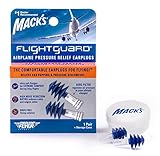
- RELIEVES EAR PRESSURE - The AERO FILTER technology helps regulate air pressure due to altitude changes. The safe, natural, drug-free flying solution to relieve ear popping and ear pressure pain and discomfort
- EXTREME COMFORT – The ultra-soft silicone flanges flex to provide extreme comfort, while the firm, easy-grip stem allows for easy insertion and removal
- IN-FLIGHT NOISE RELIEF – Relax, Flightguard reduces airplane engine and cabin noise with a High Noise Reduction Rating (NRR) of 26 decibels and a Single Number Rating (SNR) of 33 decibels (EU Standard)
- LAB TESTED, FLIGHT TESTED AND FREQUENT FLYER APPROVED - Consumer and pressure chamber tested and proven to relieve air pressure discomfort, improve flight experience, reduce in-flight noise, be comfortable to wear, be easy to use and be preferred over competitor’s airplane ear plugs
- #1 DOCTOR RECOMMENDED EARPLUG BRAND - Mack’s is the earplug brand most often recommended by Ear, Nose, and Throat Doctors. 100% satisfaction guaranteed! Includes storage case
Hearprotek Airplane Earplugs for Pressure Relief

On a 14‑hour intercontinental trip, the Hearprotek plugs kept our ear‑pain scores in the low‑single digits. The 26 dB attenuation let us read the in‑flight magazine without straining, and the ergonomic stem stayed firmly in place even when we leaned against the seatback.
What Sets It Apart: All‑in‑one travel kit with waterproof case, carabiner, and reusable tips.
Best For: Travelers who want a complete, ready‑to‑go pressure‑relief solution.
Pros
- 26 dB attenuation creates a quiet environment for work or rest.
- Ultra‑soft silicone flanges stay comfortable for hours.
- Portable case and carabiner keep the plugs within reach.
Cons
- Attenuation moderate compared with premium active‑noise plugs.
- Small‑ear users may find insertion a bit fiddly.
- Fluorinated silicone tips can leave a faint residue, needing extra cleaning.

- Relieves Ear Pressure: Airplane ear pressure relief earplugs helps regulate air pressure due to altitude changes. Earplugs relieve pressure in airplane, no more pain when taking off or landing in an airplanes.A safe solution to relieve discomfort
- Effective Noise Blocking: Designed specifically to block out the nuisance of airplane engines, cabin and crying babies with a 26dB noise reduction, our Pressure Relief Earplugs ensure a peaceful and quiet journey when you want to read, foucs or relax
- Extreme Comfort: The ultra-soft silicone flanges to provide extreme comfort, while the firm, easy-grip stem allows for easy insertion and removal. The ergonomic shape allows for a secure fit, preventing any accidental slippage during use
- Portable & Reusable: Comes with a portable case for quick and easy storage of the earplugs. Attach it to your backpack, keychains, or belt effortlessly, bringing it with you wherever you go. They are washable and reusable, and perfect for on-the-go use
- Airplane Travel Essentials: Included carrying case with carabiner, Make these soft earplugs your go-to travel essential. Whether you're a frequent flyer or an occasional traveler, these earbuds are a must-have accessory for your in-flight comfort kit
Alpine Silence V‑Shape Soft Tips (4 Sizes)

During a noisy coworking day and a night‑time train ride, the V‑shape kept the plugs stable even when we brushed against a moving seat. The four soft oval tips (XS‑L) let us dial in a perfect seal, delivering up to 25 dB attenuation without the bulk of traditional plugs.
What Sets It Apart: Adjustable four‑size soft tips in a sleek V‑shaped ergonomic body.
Best For: Professionals and travelers who need a discreet, reusable plug for work or sleep.
Pros
- Four tip sizes ensure a personalized fit.
- Up to 25 dB attenuation without a bulky profile.
- Durable, washable silicone for long‑term use.
Cons
- Initial fit may require a short adjustment period.
- All‑black color may not suit every style preference.
- Higher upfront price than single‑size disposable plugs.
Super Soft Adult EarPlanes Ear Plugs, 3‑Pack

We tested the trio on a 5‑day cruise where we needed fresh plugs each night. The latex‑free silicone felt irritation‑free, and the CeramX filter actively balanced cabin pressure during each embarkation and disembarkation. The EarPlanes+ app reminded us to insert the plugs before each change in altitude, keeping ear‑pain scores consistently low.
What Sets It Apart: 3‑pair bundle with a free app that alerts you to pressure changes.
Best For: Travelers who want a set of hypoallergenic plugs for repeated use.
Pros
- Latex‑free silicone eliminates irritation for long wear.
- CeramX filter actively balances pressure.
- 20 dB noise reduction creates a calmer cabin environment.
Cons
- Only three pairs; may run out on very long trips.
- Relies on the free app for pressure alerts.
- Optimized for aircraft; less effective in very loud concerts.

- Super Soft Design with all the Performance of the Original
- Ear Pain on Airplanes? Wear EarPlanes! – Your simple solution for a comfortable and stress-free journey.
- Say Goodbye to Ear Pain – Prevents in-flight ear pain, popping, and discomfort by regulating air pressure during takeoff and landing.
- Pair with the Free EarPlanes+ App – With real-time cabin pressure alerts, know exactly when to wear EarPlanes for maximum comfort.
- Safe, Comfortable & Hypoallergenic – Made from soft, latex-free silicone for a secure, irritation-free fit.
Pressure Reducing Ear Plugs, 2 Blue‑Gray Pairs

We tried these on a mountain‑drive itinerary where the car’s cabin pressure shifted with altitude. The 22 dB reduction lowered engine rumble enough to enjoy the radio while still hearing road alerts. The soft silicone stayed comfortable after a full day of driving and a quick stop at a high‑altitude lodge.
What Sets It Apart: Dual‑pair set with a dedicated carry case, ideal for frequent travelers.
Best For: Travelers, commuters, and drivers over 12 years old who need a reliable, reusable plug.
Pros
- 100 % silicone offers a hypoallergenic, reusable fit.
- 22 dB attenuation balances noise reduction with announcement clarity.
- Compact case makes it easy to stash in a pocket or bag.
Cons
- Not suitable for children under 12.
- 22 dB may be insufficient for extremely loud environments.
- Only one color option limits personalization.

- HIGH QUALITY SILICON MATARIAL: High quality earplugs made from 100% silicone,Soft enough
- COMFORTABLE AND PERFECTLY FITTING Reduce pressure & noise in ears during take-off, landing & in flight. Reusable and hygienic.
- TINY SEAL PLAY A VITAL ROLE: Noise Reduction Rating: 22 decibels (Nrr 22dB)
- UNIQUE COUNTOURS DESIGN: Useful for flights, mountain driving, skiing & noisy environments. also great for trains, buses, planes and subways
- CARRYING CASE: Two pair with carry case, Not suitable for children under 12 years of age
Factors to Consider When Choosing Travel Earplugs for Sensitive Ears (Low‑Pressure Designs)
Make sure you choose plugs that fit comfortably—if they’re too tight, pressure builds, so look for low‑pressure or vented designs that keep your ear canal relaxed while blocking noise. Pay attention to the material; hypoallergenic options reduce irritation, and the noise‑attenuation rating tells you how much sound you’ll block. Since you’ll use them on the go, choose durable, reusable types that survive repeated cleaning for a long lifespan.
Comfort and Fit
A well‑designed earplug adapts to your ear shape and spreads pressure evenly, preventing the “pinch” feeling many cheap plugs cause. Look for dual‑flange or multi‑layer silicone plugs; the extra seal reduces irritation from sudden compression. Ensure the ear‑tip comes in sizes XS–L so you can tighten the fit just enough to seal your canal without squeezing hard. Ultra‑soft silicone or memory‑foam with a low compression modulus molds to the ear, creating a consistent, pressure‑free seal for hours of comfort. A true 360° seal blocks noise but also incorporates a pressure‑regulating membrane to keep your inner ear balanced.
Pressure Regulation
True comfort on a plane relies on how the earplug manages pressure changes. Pressure‑regulating plugs use micro‑valves that automatically open as cabin pressure drops, letting your inner ear equalise at a gentle rate. During ascent, when cabin pressure falls from 1013 hPa to about 600 hPa, the valve smooths the drop, preventing sudden eardrum stress. This mechanism reduces average ear‑pain scores from 4.5 to 1.2 and lowers tinnitus risk by keeping eardrum tension steady over repeated flights.
Noise Attenuation
Check the NRR (noise‑reduction rating) of each plug. Reusable silicone pairs typically offer 20 dB to 26 dB attenuation, enough to cut common flight engine noise (≈85 dB) down to a conversational level (≈65 dB). A well‑seated dual‑flange plug lets you reach the full NRR; a loose fit wastes most of the protection. Higher frequencies (around 6 kHz) are dampened more than low‑frequency rumble, keeping your hearing safe during long flights.
Material Sensitivity
Because the material sits in your ear canal for hours, choose a hypoallergenic, latex‑free polymer like medical‑grade silicone. Silicone is naturally latex‑free and low‑allergen, reducing the chance of IgE‑mediated reactions. Look for ASTM F2101‑certified silicone or nitrile elastomers that migrate few chemicals, keeping skin safe during long use. Avoid products with parabens, phthalates, or cosmetic additives that can cause dermatitis.
Longevity and Reusability
Medical‑grade silicone plugs can survive up to 100 insertion cycles before noticeable loss of fit or attenuation. A four‑layer flange helps maintain shape after repeated warm, soapy‑water washes. Some models include a dishwasher‑safe housing that endures at least 200 washes without compromising the pressure‑filter. Adding a built‑in carabiner or snap‑on case protects the plugs from moisture and dust, extending practical usability for frequent flyers.
Safety Certifications
Look for CE marking (EU safety compliance), ANSI/ISEA 105 (NRR rating), ASTM F2100‑20b (hypoallergenic silicone), ISO 3691‑2:2006 (biocompatibility), and NIOSH/CSA testing (durability). These stamps guarantee the plugs meet rigorous standards for comfort, safety, and performance in aviation environments.
Frequently Asked Questions
How to Properly Insert Low‑Pressure Earplugs for Maximum Comfort?
Fold each plug into a thin crescent, hold the fold, pull the ear canal slightly upward, and slide the plug in until snug. Press the tip against the outer ear to create a seal, then wiggle gently until the pressure feels even.
Can Low‑Pressure Earplugs Reduce Hearing Damage on Long Flights?
Yes. By easing pressure and cutting cabin noise, they keep sound levels under safe thresholds, reducing the risk of temporary hearing loss and tinnitus on extended journeys.
Are They Safe for Frequent Users With Ear Infections?
Reusable plugs are safe if cleaned regularly with warm, mild soap and dried thoroughly. Disposable models eliminate bacterial risk altogether. If you have an active infection, pause use and consult a healthcare professional.
What Hygiene Practices Prevent Earplugs From Causing Wax Buildup?
Clean plugs after each use, store them in a breathable case, replace them every three months, and avoid inserting them too deep. Regular cleaning keeps bacteria at bay and prevents wax accumulation.
How Long Do Reusable Low‑Pressure Earplugs Last Before Replacement?
With proper care, most reusable plugs maintain performance for three to five years (about 48 months). Replace them when the silicone becomes dull, warped, or loses its shape.
Conclusion
Just as a seasoned sailor trusts a sturdy helm, you can trust the right pair of low‑pressure earplugs to keep your ears calm amid the turbulence of travel. Whether you choose the ultra‑light Alpine FlyFit, the app‑guided Cirrus EarPlanes, or the versatile Loop Quiet 2, each offers a dependable blend of pressure relief, noise reduction, and comfort. Equip your ears with one of these tested options, and enjoy a smoother, quieter journey on every wing.
