
Reef-Safe Sunscreens That Are Truly Eco-Friendly

Introducing Maria, our meticulous planner and talented visual storyteller. She has a knack for discovering those hidden gems, chic boutique spots, and charming little cafes that add a touch of elegance to every journey. With her keen eye for photography and her passion for travel, Maria will transport you to the most enchanting corners of the world, inspiring you to explore new places, one picture-perfect destination at a time.
You want reef-safe sunscreen that actually protects your skin and oceans. Look for mineral formulas using zinc oxide, free from oxybenzone and octinoxate, with reef-safety claims compliant with Hawaii’s 104 Act and regulations. Many options come in reef-friendly packaging—sugarcane resin, recycled tubes, or solar-powered manufacturing. Pick fragrances-free or hypoallergenic varieties if you have sensitive skin. For a travel-friendly pick, seek sizes and non-nano zinc oxide in select formulas. If you keep exploring, you’ll uncover choices.
Key Takeaways
- Look for zinc oxide-based, non-nano formulas that are free from oxybenzone and octinoxate and Hawaii 104 Act compliant for true reef safety.
- Choose reef-safe sunscreens with minimal white cast and fast absorption for easy, smear-free application on beaches and outdoors.
- Favor fragrance-free or unscented options to protect sensitive skin while staying hypoallergenic and free of parabens.
- Prioritize sustainable packaging: recycled tubes, PCR materials, and solar-powered US manufacturing for lower environmental impact.
- Verify certifications and regional approvals (Mexico/Hawaii) and clear ingredient lists to ensure eco-friendly performance.
Reef-Safe Mineral Sunscreen SPF 50 Travel Lotion

Choose this reef-safe mineral sunscreen SPF 50 Travel Lotion when you need dependable, ocean-friendly protection that won’t irritate sensitive skin or leave a heavy residue. It uses zinc oxide, stays reef-safe—Mexico and Hawaii approved—and contains vitamin E for nourishment. It’s biodegradable with natural ingredients and empty of oxybenzone and octinoxate. You’ll feel a light, non-greasy touch with a smooth, Korean-sunscreen-like application and a minimal white cast when you apply correctly. It’s water-resistant for up to 80 minutes, making it ideal for beach outings, outdoor sports, and travel. Eco-friendly, it supports marine life and leaves you confident outdoors every day.
Best For: Beachgoers and outdoor enthusiasts seeking reef-safe, mineral SPF 50 protection that is gentle on sensitive skin and suitable for travel.
Pros:
- Reef-safe and compliant (Mexico & Hawaii approved; 104 Reef Act compliant)
- Non-greasy, lightweight feel with smooth, Korean-sunscreen-like application and minimal white cast when blended
- Water-resistant up to 80 minutes with vitamin E for skin nourishment
Cons:
- May leave a slight white cast if not blended in well
- Reapplication required after swimming or sweating (up to 80 minutes of water resistance)
- Availability may be limited to certain markets or retailers

- REEF SAFE SUNSCREEN - Our Mineral sunscreen is approved by Hawaii & Mexico, and provides eco-friendly and biodegradable sun protection.
- 🌿 RAW TEXTURE - The Raw consistency of our formula ensures a smooth and easy application, leaving your skin feeling nourished and protected with minimal white cast when applied correctly. NO Oxybenzone & NO Octinoxate.
- 💧 80-MIN WATER RESISTANT - Our water-resistant formula is a top-rated choice among beachgoers, offering expert sun protection for extended periods without the toxic chemicals associated with other sunscreens.
- ☀️ MINERAL SUNSCREEN - Infused with Zinc Oxide & Vitamin E, this concentrated mineral sunscreen forms a protective shield, reflecting UV rays away while staying discreet on your skin's surface. Perfect for sensitive skin!
- 🤿 ACTIVE LIFESTYLE: Created for active lifestyles, our sunscreen is water-resistant and non-greasy, ideal for outdoor activities, sports, and travel. Its lightweight feel is reminiscent of Korean sunscreen.
Happy Ocean Reef-Safe SPF 45 Mineral Sunscreen

Happy Ocean Reef-Safe SPF 45 Mineral Sunscreen is built for ocean lovers who want dependable, reef-friendly coverage today. You get SPF 45 protection from a mineral formula with non-nano zinc oxide, a physical barrier against UVA/UVB, and a formulation that’s gentle on sensitive skin for lasting defense. It’s water-resistant and biodegradable, delivering 45% better performance after swimming and sea-safe protection. The organic formula is non-greasy, lightweight, nourishes skin, doesn’t clog pores, and is fragrance-free for daily use across skin types. Packaging uses sugarcane resin and is reef-safe, oxybenzone- and octinoxate-free. Use on face and body; travel-size 2.5 Fl Oz.
Best For: ocean lovers seeking reef-safe, mineral SPF 45 protection that is gentle on sensitive skin and suitable for both face and body.
Pros:
- Reef-safe, non-nano zinc oxide mineral SPF 45 provides reliable UVA/UVB protection.
- Non-greasy, lightweight, fragrance-free formula that nourishes skin and won’t clog pores.
- Water-resistant, biodegradable, and packaged in eco-friendly sugarcane resin (travel-friendly 2.5 Fl Oz).
Cons:
- May leave a slight white cast on deeper skin tones.
- Mineral formulas can feel less hydrating for very dry skin compared to some chemical sunscreens.
- Travel-size bottle may require more frequent reapplication during extended outdoor adventures.

- BROAD SPECTRUM SPF 45 MINERAL PROTECTION — Non-nano zinc oxide creates a physical UVA/UVB shield that protects without chemical filters. EWG Verified formula trusted for sensitive and eczema-prone skin. Lightweight, non-greasy, and non-comedogenic for daily wear.
- WET BOOST TECHNOLOGY — Water resistant up to 80 minutes with our proprietary formula that performs 45% better after swimming. Eco-friendly sunblock built for snorkeling, surfing, and every ocean adventure. Hawaii and coral reef compliant.
- MADE WITH ORGANIC INGREDIENTS — Green tea, turmeric, tulsi, and aloe vera nourish skin while zinc oxide provides a physical barrier. Non-toxic, naturally derived, and free from oxybenzone, octinoxate, parabens, and synthetic fragrance.
- CERTIFIED BIODEGRADABLE AND REEF SAFE — Tested and certified by HEL Labs Protect Land + Sea program. USDA Certified Biobased in sustainable sugarcane resin packaging. Protects marine ecosystems as fiercely as it protects your skin.
- TRAVEL-READY 2.5 OZ FOR FACE AND BODY — TSA-approved tube for carry-on travel. One application covers face, ears, neck, and body. Perfect for beach vacations, hiking, daily commute, or any time under the sun. Pediatrician-approved formula.
Thrive Reef Safe Sunscreen SPF50, 5.8 oz

For outdoor adventurers who want a reef-safe mineral SPF, Thrive Reef Safe Sunscreen SPF50, 5.8 oz delivers broad-spectrum protection with 23.5% non-nano zinc oxide. You get a mineral sunscreen with no chemical filters, Hawaii 104 reef-act compliant, and 80 minutes sweat-water resistance. Application rubs in easily with minimal white cast, faster absorption, and less greasiness than traditional mineral SPF50. Antioxidant-infused Juanilama, Fierillo, and Coralillo support skin recovery while a regenerative plant-derived formula and recycled plastic tube underscore sustainability. Safe, vegan, cruelty-free, fragrance-free, with a citrus scent, Thrive also backs regenerative farming, helping rural farmers for healthier oceans nearby everywhere.
Best For: Outdoor adventurers seeking reef-safe, mineral SPF50 protection with easy blend-in, antioxidant-enhanced skin recovery and sustainable packaging.
Pros:
- Reef-safe mineral sunscreen with 23.5% non-nano zinc oxide
- Minimal white cast, faster absorption, and less greasiness vs. traditional mineral SPF50
- Antioxidant-infused formula with regenerative plant-derived ingredients and a recycled plastic tube
Cons:
- May leave a slight white cast on deeper skin tones
- Contains a citrus scent from natural essential oils (not completely fragrance-free)
- Higher price point compared to some chemical sunscreens

- REEF SAFE SUNSCREEN 23.5% NON-NANO ZINC OXIDE - Minimal white cast, rubs in easy, faster absorption and less greasy compared to traditional mineral SPF 50 sunblocks. The reef-friendly formula is formulated without Oxybenzone or Octinoxate to help protect fragile reef ecosystems. 80 min sweat & water resistant is perfect for any outdoor adventure.
- SPF 50 BROAD SPECTRUM PROTECTION - All natural mineral sunscreen provides broad-spectrum protection against UVA/UVB rays. Safe & healthy alternative to chemical sunscreen lotion. Antioxidant infused sun block formula helps restore skin damaged by sun using clinically-proven natural ingredients.
- NATURAL SPF PROTECTION - SPF 50 Sunscreen powered by Thrive’s antioxidant rich Costa Rican super-plants, Juanilama, Fierrillo & Coralillo, delivered in a tube made from recycled plastic, for a lighter environmental footprint. Our regenerative plant-derived formula helps restore skin from sun exposure.
- EFFECTIVE HEALTHY INGREDIENTS – No chemical sunscreen filters, benzene free, cruelty-free, vegan, PABA-free, GMO-free, paraben-free, no synthetic colors or unhealthy ingredients. No synthetic fragrances added, only a subtle citric scent from natural essential oils.
- LEAVE IT BETTER: Every purchase helps support the rural farmers who produced our super plants through regenerative farming. If you don't love your Thrive, let us know and we will take care of you.
Badger Reef Safe Unscented SPF 40 Mineral Sunscreen

If you’re after a reef-safe, mineral sunscreen with a short ingredient list and clear performance, Badger Reef Safe Unscented SPF 40 is a strong pick. This zinc-oxide sunscreen delivers broad spectrum UVA/UVB protection and stays water resistant for up to 80 minutes. It’s unscented, hypoallergenic, and chemical-free, with 98% organic ingredients—just four components: zinc oxide; organic sunflower oil; organic beeswax; vitamin E. It’s reef friendly, with no oxybenzone, and approved for use in Mexico and Hawaii. The formula comes in 50% PCR tubes, manufactured entirely by solar-powered, women-owned Badger. It rubs on clear for body or face everywhere today.
Best For: Active beach-goers and families seeking a reef-safe, mineral sunscreen with a short ingredient list that rubs on clear and works for both face and body.
Pros:
- Mineral zinc oxide provides broad-spectrum UVA/UVB protection with up to 80 minutes of water resistance.
- Short, unscented ingredient list (zinc oxide; organic sunflower oil; organic beeswax; vitamin E) for a simple, hypoallergenic formula.
- Reef-safe and eco-conscious: no oxybenzone, reef-friendly, 50% PCR tubes, and solar-powered US manufacturing.
Cons:
- Some users may notice a slight whitening effect on very dark skin under certain lighting, despite “rubs clear.”
- Four-ingredient formula may feel less moisturizing for people with very dry skin.
- Availability or regional acceptance can vary; always check local regulatory guidance (beyond Mexico and Hawaii) before use abroad.

- HIGH PERFORMANCE SPORT SUNSCREEN: Broad Spectrum SPF 40 protection using non-nano uncoated Zinc Oxide to shield against UVA & UVB rays, clinically tested safe for sensitive skin, suitable sunblock for face, body, and heavy outdoor activity
- CLEAN & 98% ORGANIC INGREDIENTS: Formulated with just 4 simple ingredients: mineral zinc oxide, organic sunflower oil, organic beeswax, & sunflower vitamin E, making it NSF Certified Organic, non-GMO, gluten-free, and chemical-free
- SWEAT & WATER RESISTANT: Designed for active lifestyles, this lightweight sunscreen stays on for 80 minutes during swimming, surfing, and skiing; rubs in clear with no white cast, providing heavy-duty protection that won't sting your eyes or clog pores
- REEF SAFE & TRAVEL FRIENDLY: The first formula to achieve Protect Land + Sea Certification; fully compliant with Hawaii Reef Act 104 and Mexico reef-safe sunscreen laws, containing no oxybenzone or octinoxate
- SUSTAINABLE & ETHICAL SKINCARE: 100% cruelty-free (Leaping Bunny Certified) & packaged in a 50% PCR tube; made in the USA by a women-owned family business using 100% solar power, making it a guilt-free, plastic-free choice for conscious consumers
Coral Isles SPF 50 Reef-Safe Sunscreen Lotion

Seeking a reef-safe option that’s gentle on sensitive skin, Coral Isles SPF 50 Reef-Safe Sunscreen Lotion fits the bill. It’s Hawaii 104 Act compliant, with no oxybenzone, octinoxate, parabens, or fragrance. You get broad-spectrum UVA/UVB protection that helps prevent aging, sunburn, and skin cancer, while preserving your youthful complexion. The formula is non-greasy, lightweight, hypoallergenic, and suitable for all skin types, including sensitive, with no PABA, fragrance, or parabens. It’s water resistant 80 minutes; apply 15 minutes before sun exposure and reapply every 2 hours or after towel drying. Available in multiple sizes, including a 6-oz lotion for everyone.
Best For: People with sensitive skin who want a reef-safe, Hawaii 104 Act compliant sunscreen that is fragrance-free and suitable for all skin types.
Pros:
- Reef-safe and compliant (no oxybenzone, octinoxate, parabens; fragrance-free).
- Non-greasy, lightweight, hypoallergenic; suitable for all skin types, including sensitive.
- Broad-spectrum UVA/UVB protection and 80-minute water resistance.
Cons:
- Fragrance-free option means no scented variants for those who prefer fragrance.
- Requires reapplication every 2 hours or after towel drying.
- Available in larger sizes (e.g., 32-oz pump) which may be less portable for travel compared to small bottles.

- HAWAII 104 ACT COMPLIANT: Coral Isles does not contain Oxybenzone, Octinoxate, or Parabens. Help preserve our marine ecosystem by using sunscreen without these ingredients.
- BROAD SPECTRUM PROTECTION: Our sunscreen provides broad-spectrum protection, safeguarding your skin from UVA and UVB rays. UVA rays contribute to premature aging, while UVB rays cause sunburns. Shielding your skin from these harmful rays with our sunscreen not only reduces the risk of skin cancer but also preserves a youthful complexion. Trust our product for comprehensive sun protection and the maintenance of healthy, age-resistant skin.
- NON-GREASY AND LIGHTWEIGHT: Our formula is hypoallergenic and suitable for all skin types, including sensitive skin. It contains no PABA, fragrances, or parabens, catering to individuals with specific skin sensitivities. Additionally, our non-greasy and breathable formula provides a comfortable application, feeling lightweight on the skin. This makes it excellent for both active sports activities and daily use.
- WATER RESISTANT AND LONG LASTING: Our sunscreen offers 80 minutes of water resistance, ensuring prolonged protection even during water activities. To maximize its effectiveness, apply it 15 minutes prior to sun exposure and reapply every 2 hours or after towel drying. Suitable for all ages.
- VARIETY OF SIZES: We offer various sunscreen sizes to suit different needs. Our largest option is a 32-fluid ounce bottle with a pump, ideal for extended sun protection. For a compact solution, we have a 6-fluid ounce bottle. A 2-fluid ounce pack with two bottles is perfect for on-the-go use or sharing. Our 16-fluid ounce bottle offers a mid-sized alternative. We provide a variety of sizes to meet your specific requirements.
Coral Isles Reef-Safe Sunscreen SPF 30 6 oz

Coral Isles Reef-Safe Sunscreen SPF 30 6 oz is your pick if you want reef-safe protection that’s fragrance-free, lightweight, and built for active days in the sun. It complies with Hawaii 104 reef act, stays free from oxybenzone and octinoxate, and helps protect skin while preserving ocean ecosystems. The formula is non-greasy, lightweight, hypoallergenic, and suitable for sensitive skin, with no fragrances or parabens. It offers broad spectrum UVA/UVB protection, reduces aging and sunburn risk, and supports a youthful complexion. Water resistance lasts 80 minutes; apply 15 minutes before sun exposure and reapply two hours or after towel drying.
Best For: Active outdoor enthusiasts who want reef-safe, fragrance-free SPF 30 protection that’s lightweight and suitable for sensitive skin.
Pros:
- Reef-safe and Hawaii 104 reef act compliant, free from oxybenzone and octinoxate
- Fragrance-free, hypoallergenic, and suitable for sensitive or all skin types
- Non-greasy, lightweight feel with 80-minute water resistance and breathable formula
Cons:
- Requires reapplication every 2 hours or after towel drying
- SPF 30 may be less protective for long exposures vs higher-SPF options
- 6 oz bottle may not last long for multi-person family use or extended trips

- HAWAII 104 REEF ACT COMPLIANT: Coral Isles Sunscreen is free from oxybenzone and octinoxate, complying with Hawaii's guidelines. Protect your skin while preserving the ocean ecosystem.
- NON-GREASY AND LIGHTWEIGHT: Our formula is hypoallergenic and suitable for all skin types, including sensitive skin. It contains no PABA, fragrances, or parabens, catering to individuals with specific skin sensitivities. Additionally, our non-greasy and breathable formula provides a comfortable application, feeling lightweight on the skin. This makes it excellent for both active sports activities and daily use.
- BROAD SPECTRUM PROTECTION: Our sunscreen provides broad-spectrum protection, safeguarding your skin from UVA and UVB rays. UVA rays contribute to premature aging, while UVB rays cause sunburns. Shielding your skin from these harmful rays with our sunscreen not only reduces the risk of skin cancer but also preserves a youthful complexion. Trust our product for comprehensive sun protection and the maintenance of healthy, age-resistant skin.
- WATER RESISTANT AND LONG LASTING: Our sunscreen offers 80 minutes of water resistance, ensuring prolonged protection even during water activities. To maximize its effectiveness, apply it 15 minutes prior to sun exposure and reapply every 2 hours or after towel drying. Suitable for all ages.
Reef Safe SPF 50 Facestick by Coral Safe

Outdoor enthusiasts needing durable, reef-safe protection will appreciate the Reef Safe SPF 50 Facestick by Coral Safe. It’s biodegradable and Hawaii and Mexico approve, and it’s made in the USA.
This mineral sunscreen uses zinc oxide with vitamin E, free from oxybenzone and octinoxate. Eco-friendly, it relies on natural ingredients and avoids harsh chemicals. With up to 80-minute water resistance, it reflects UV rays with a protective shield. Non-greasy and lightweight, it feels like a Korean sunscreen while staying durable. Ideal for active lifestyles, beachgoers, and travelers seeking reef-safe coverage. It blends quickly, dries clear, and travels light too.
Best For: Outdoor enthusiasts with active lifestyles seeking reef-safe, mineral sunscreen that’s lightweight and long-lasting.
Pros:
- Lightweight, non-greasy feel with a Korean sunscreen-like texture.
- Reef-safe and eco-friendly: zinc oxide, vitamin E, biodegradable, no oxybenzone or octinoxate.
- Up to 80-minute water resistance and quick, clear-drying coverage.
Cons:
- Requires reapplication after extended swimming, sweating, or towel-drying.
- Mineral formula can feel slightly thicker during initial application for some users.
- Availability may be limited to certain regions due to local approvals.

- 🐠 REEF SAFE SUNSCREEN: Our sunscreen is approved by Hawaii & Mexico, and provides eco-friendly and biodegradable sun protection.
- 🌿MADE IN THE USA: With natural ingredients, our sunscreen excels in quality and safety. It's free from harsh chemicals, NO Oxybenzone & NO Octinoxate.
- 💧 80-MIN WATER RESISTANT: Our water-resistant formula is a top-rated choice among beachgoers, offering expert sun protection without the toxic chemicals associated with other sunscreens.
- ☀️ MINERAL SUNSCREEN: Infused with Zinc Oxide & Vitamin E, this concentrated mineral sunscreen forms a protective shield, reflecting UV rays away while staying discreet on your skin's surface.
- 🤿 ACTIVE LIFESTYLE: Created for active lifestyles, our sunscreen is water-resistant and non-greasy, ideal for outdoor activities, sports, and travel. Its lightweight feel is reminiscent of Korean sunscreen.
Stream2Sea Coral Care Reef Safe Sunscreen SPF 30

If you’re snorkeling, diving, or enjoying watersports, Stream2Sea Coral Care Reef Safe Sunscreen SPF 30 stands out as the go-to reef-safe option, because it’s mineral-based, biodegradable, and engineered to actively support coral growth rather than pollute oceans. It’s the first reef-approved natural mineral sun block that acts as coral food, with a Reef Protection Factor that targets viable growth. In tests, coral growth rose up to 50% versus other reef-friendly sunscreens, and 21% more than sunscreen-free conditions. It provides broad UVA/UVB coverage, SPF 30, and remains water-resistant for up to 80 minutes. Perfect for conservation trips and tropical days.
Best For: Snorkelers, divers, and watersports enthusiasts seeking reef-safe, coral-supportive mineral sunscreen.
Pros:
- Mineral-based, reef-safe formula that supports coral growth and is biodegradable.
- Broad UVA/UVB protection with SPF 30 and up to 80 minutes of water resistance.
- USDA certified biobased product and recognized for innovation in reef protection.
Cons:
- Mineral sunscreens can leave a whitening tint on skin.
- May be pricier than conventional chemical sunscreens.
- Availability may be limited in some regions or retailers.

- THE FIRST EVER REEF-PROTECTING SUNSCREEN – Every "coral reef-safe" sunscreen before now just avoided harm... but Coral Care goes further. In a world-first, this formula actively feeds coral, turning sunscreen from harmful environmental pollution into food that helps coral grow and thrive.
- PROVEN TO BOOST CORAL GROWTH – Extensive testing at the University of Derby shows that Coral Care increases coral growth by 50% compared to other coral reef-friendly sunscreen—and an incredible 21% more than Mother Nature alone (sunscreen-free environments). It contains consciously formulated natural nutrients and minerals that actively nourish coral.
- SPF 30 PROTECTION FOR ALL SKIN TYPES – Coral Care reef-approved sunscreen provides broad spectrum UVA & UVB protection. Water-resistant for up to 80 minutes. This biodegradable sunscreen is perfect for snorkeling, diving, surfing, and watersports. Globally-compliant and ideal for conservation work, beach trips and tropical destinations like Hawaii, Mexico, and the Caribbean.
- USDA CERTIFIED & AWARD-WINNING – A USDA Certified Biobased product and Bronze Award winner for Innovation at the Cannes Lions International Festival of Creativity, Coral Care is globally recognized for setting a new standard in sun protection: one that benefits both humans and the coral reefs we swim among.
- INTRODUCING RPF: A NEW WAY TO PROTECT REEFS – Everyone knows SPF protects your skin... but what about coral? Meet RPF (Reef Protection Factor), a new standard for sunscreen safety. Coral Care is the first sunscreen rated for ‘Reef Protection’, meaning it actively helps coral grow instead of just avoiding harm.
Reef Safe Mineral Sunscreen SPF30 Travel Lotion

For travelers and outdoor enthusiasts, this reef-safe mineral sunscreen SPF30 Travel Lotion stands out as the choice thanks to your zinc oxide-based protection and biodegradable formula today.
Made in the USA and Hawaii/Mexico approved, you’ll find it a Coral Safe option with natural ingredients, no oxybenzone or octinoxate, and a lightweight, non-greasy finish. Zinc oxide and vitamin E provide mineral protection while reflecting UV rays, and your formula stays discreet on skin during active outdoor sports. Expect 80-minute water resistance, a breathable, light feel, and top-rated performance for travelers, beachgoers, and adventurers alike. Choose this lotion for trips abroad.
Best For: Outdoor enthusiasts, travelers, and beachgoers seeking reef-safe, mineral SPF30 protection that’s lightweight, non-greasy, and suitable for active outdoor use.
Pros:
- Mineral-based protection with zinc oxide and vitamin E, free of oxybenzone and octinoxate
- Lightweight, non-greasy feel that stays discreet on the skin during activities
- Biodegradable formula made in the USA with coral-safe, eco-friendly sun protection
Cons:
- SPF30 may not meet higher-sun exposure needs for some activities
- Limited information on scent or fragrance
- Reapplication guidance is not provided in this brief

- 🐠 REEF SAFE SUNSCREEN: Our sunscreen is approved by Hawaii & Mexico, and provides eco-friendly and biodegradable sun protection.
- 🌿MADE IN THE USA: With natural ingredients, our sunscreen excels in quality and safety. It's free from harsh chemicals, NO Oxybenzone & NO Octinoxate.
- 💧 80-MIN WATER RESISTANT: Our water-resistant formula is a top-rated choice among beachgoers, offering expert sun protection without the toxic chemicals associated with other sunscreens.
- ☀️ MINERAL SUNSCREEN: Infused with Zinc Oxide & Vitamin E, this concentrated mineral sunscreen forms a protective shield, reflecting UV rays away while staying discreet on your skin's surface.
- 🤿 ACTIVE LIFESTYLE: Created for active lifestyles, our sunscreen is water-resistant and non-greasy, ideal for outdoor activities, sports, and travel. Its lightweight feel is reminiscent of Korean sunscreen.
Project Reef SPF 50 Mineral Sunscreen, 3.4 oz

Project Reef SPF 50 Mineral Sunscreen, 3.4 oz is the choice for reef-conscious beachgoers seeking a non-nano, vegan mineral option that’s ocean-friendly and Hawaii Reef Act 104 compliant. Its non-nano zinc oxide delivers SPF 50, and you get vegan, reef-safe protection in a lightweight, non-greasy, chemical-free formula with a smooth glide.
Apply evenly, rub thoroughly for complete coverage, and minimize visible residue. Safe for all ages—consult a doctor for children under 6 months. It lasts up to 80 minutes in water, provides mineral SPF 50 protection, and uses ocean-bound tube plastic and post-consumer recycled materials, 3.4 oz compact carry-on.
Best For: reef-conscious beachgoers seeking reef-safe mineral SPF 50 with a lightweight, non-greasy feel and travel-friendly 3.4 oz.
Pros:
- Reef-safe, non-nano zinc oxide SPF 50 mineral formula.
- Lightweight, non-greasy texture with smooth glide; water-resistant up to 80 minutes.
- Travel-friendly packaging (3.4 oz) using ocean-bound and post-consumer recycled materials.
Cons:
- May leave a white cast on deeper skin tones.
- Requires thorough rubbing for even, complete coverage.
- Not suitable for infants under 6 months; consult a doctor for younger children.
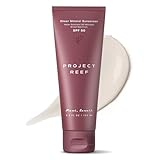
- Ocean Friendly & Hawaii Compliant – Made with non-nano zinc oxide, our mineral sunscreen is vegan, reef-safe, and meets Hawaii Reef Act 104 standards, the strictest environmental guidelines for sunscreens
- Effortless Application & Safe for All Ages – Lightweight, non-greasy, and chemical-free, this mineral lotion glides on easily. Apply evenly and rub in thoroughly to ensure complete coverage and reduce any visible residue. Safe for all ages(consult a doctor for children under 6 months)
- Water-Resistant – Provides up to 80 minutes of protection during swimming, sweating, or outdoor activities
- Sustainable Packaging – Our sunscreen tubes are made from ocean-bound and post-consumer recycled plastic
- Travel-Friendly – Meets TSA carry-on requirements for liquids, perfect for beach trips, vacations, and everyday adventures
Safe Sea Zinc Oxide Sunscreen SPF30 2-Pack

Ocean lovers who want reef-safe protection will appreciate Safe Sea Zinc Oxide Sunscreen SPF30 2-Pack, which uses premium zinc oxide to deliver SPF 30 UVA/UVB coverage with a clear, white-cast-free finish for both face and body. You get a reef-safe mineral sunscreen that protects you from the sun and helps avoid jellyfish stings and sea lice. Its 3.4 oz per tube, two-pack, fits your outdoor routine. Apply 15 minutes before sun exposure, and enjoy water resistance that lasts. The formula is suitable for normal to sensitive skin and leaves no white cast on skin. Use on face and body.
Best For: Ocean lovers seeking reef-safe SPF30 sunscreen that protects against sun, jellyfish stings, and sea lice for face and body.
Pros:
- Reef-safe mineral sunscreen with premium zinc oxide
- Clear finish with no white cast on skin for both face and body
- Water-resistant SPF30 with UVA/UVB protection and sea-friendly formula
Cons:
- May feel thicker to apply than some chemical sunscreens
- Requires a 15-minute wait before sun exposure
- Only SPF30; higher-SPF options aren’t included in this pack

- SUN CREAM THAT CONSIDERS THE SEA - A reef safe sunscreen made for you. Ideal for normal to sensitive skin, this mineral sunscreen uses a premium Zinc Oxide, a gentle sun filter for you and the sea.
- SPF THAT'S RIGHT FOR YOU - Combat UV rays with SPF 30 UVA/UVB broad spectrum protection during sun exposure. Our ocean friendly sunscreen has water-resistant properties for sun protection you can always count on.
- SUN & STING BARRIER - Sun protection? Check! Sea lice and jellyfish sting protection? Double check! Our sea safe sunscreen is formulated to offer protection from the sun, sea lice, and jellyfish stings.
- FOR YOUR FACE & BODY - With our zinc oxide sunscreen, you get no white cast at all! It's clear, easy to apply, and suitable for the face and body. Apply 15 minutes before sun exposure.
- MUST-HAVE SUN CARE - Get the ultimate sun protection with our reef friendly sunscreen SPF 30 as you have endless fun under the sun! Click 'Add to Cart' now and beat sun damage with every application.
SAFE SEA Jellyfish Sting-Blocking Sunscreen SPF 50

Jellyfish sting protection meets reef-safe care with SAFE SEA SPF 50, a travel-size sunscreen designed to guard you from UV rays while also blocking jellyfish stings, sea lice, and swimmers itch. You get SPF 50+ protection, plus sting-blocking chemistry that fights jellyfish exposure without sacrificing comfort. The travel-size tube is reef-safe, coral-friendly, and free of oxybenzone and octinoxate, helping marine life while you swim. It’s hypoallergenic, non-irritating, moisturizing, and suitable for sensitive skin, with long-lasting, very water-resistant protection. Used by athletes and families alike, it’s trusted by researchers and featured on CNN, BBC, and National Geographic. Carry it proudly.
Best For: Beachgoers and swimmers who want SPF 50+ protection plus jellyfish sting-blocking capabilities, while preferring reef-safe, hypoallergenic sunscreen suitable for sensitive skin.
Pros:
- Jellyfish sting-blocking formula with SPF 50+ protection.
- Reef-safe, biodegradable, and free of oxybenzone and octinoxate.
- Long-lasting, very water-resistant protection in a compact travel-size tube; suitable for sensitive skin.
Cons:
- Higher price point than some standard sunscreens.
- Reapplication may still be necessary after extended swimming, sweating, or towel-drying.
- Small 3.4 oz travel-size bottle may run out quickly on longer trips.
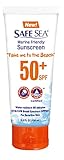
- JELLYFISH STING PROTECTION – Bask in the sun and waves with SPF 50+ sunblock from Safe Sea. Your reef-safe sunscreen helps guard against jellyfish sting, sea lice, swimmers itch and UV radiation. Enjoy your beach day, protected.
- BETTER FOR YOUR SKIN – A paraben-free, non-irritating, and moisturizing body and face sunscreen, Hypoallergenic and gentle on sensitive skin. Upgrade your skin protection on the beach and in the sea with powerful, safe, SPF factors, and unique sting-blocking chemistry.
- LONG-LASTING AND WATERPROOF – Rely on Safe Sea travel size sunscreen for guaranteed protection. Safe Sea is very water-resistant, You don’t need to re-apply so often as in other sunscreens.
- CARE FOR CORAL – Protect your skin and safeguard the ocean with your reef safe sunblock, Safe Sea. This biodegradable, Oxybenzone and Octinoxate free sunscreen do not harm marine life, unlike other popular brands.
- THE TRUSTED CHOICE – Choose a sunblock developed by scientists and used by world-record-breaking athletes, as featured on CNN, the BBC, and National Geographic. Trusted by families around the world.
Coral Isles SPF 50 Sunscreen Spray, 3-Pack

For reef-conscious families and travelers who want Hawaii-compliant protection, Coral Isles SPF 50 Sunscreen Spray, 3-Pack fits the bill. It has UVA/UVB with SPF 50 in the title, while the mist notes SPF 30. Not mineral, it’s gluten-free, PABA-free, fragrance-free and suitable for all skin types. It’s Hawaii Reef Act compliant and free of oxybenzone and octinoxate, supporting coral reefs.
Each bottle is 6 oz, totaling 18 oz in the pack, with a spray for coverage. It’s non-greasy and leaves no white residue. For ages 6 months and up, it’s water resistant up to 80 minutes; reapply two hours.
Best For: Families and travelers seeking Hawaii Reef Act compliant, reef-safe sunscreen with easy spray application and non-greasy feel.
Pros:
- Hawaii Reef Act compliant, oxybenzone- and octinoxate-free, supports coral reefs.
- Non-greasy, lightweight texture with quick absorption and no white residue.
- Water resistant up to 80 minutes and suitable for ages 6 months and up; comes in a 3-pack for a total of 18 oz.
Cons:
- SPF labeling is inconsistent (SPF 50 in the title versus SPF 30 in the details).
- Not a mineral sunscreen, which may be a preference for mineral-only users.
- Reapplication needed every 2 hours or after towel drying; may require frequent applications during active days.

- HAWAII 104 REEF ACT COMPLIANT: Coral Isles Sunscreen is free from oxybenzone and octinoxate, complying with Hawaii's guidelines. Protect your skin while preserving the ocean ecosystem.
- BROAD-SPECTRUM UVA/UVB PROTECTION: Our sunscreen provides reliable defense against harmful sun rays, shielding you from both UVA and UVB radiation. It's gluten-free, PABA-free, and free from fragrances, making it suitable for all skin types.
- NON-GREASY LIGHTWEIGHT FORMULA: Its lightweight texture absorbs quickly without leaving a white or pasty residue. Whether you're engaging in active sports or daily activities, our sunscreen will keep your skin feeling fresh and protected.
- DURABLE WATER RESISTANCE: Our sunscreen is water-resistant for up to 80 minutes. Apply it 15 minutes before sun exposure, and reapply every 2 hours or after towel drying. This sunscreen has been approved for usage by individuals aged 6 months and above, including both adults and children.
- THREE-PACK CONTINUOUS-SPRAY BOTTLES: This package includes three 6-fluid ounce bottles of Coral Isles Sunscreen SPF 30 mist. It is not a mineral formula. Rest assured, our sunscreen excludes the ingredients banned by Hawaii for their harmful effects on coral reefs.
Safe Sea SPF40 Sunscreen Spray (2-Pack)

If you’re an open-water swimmer who wants reef-safe protection, Safe Sea SPF40 Spray (2-Pack) delivers broad-spectrum UVA/UVB protection with SPF 40 and very high water resistance, so it lasts longer in the water. Clinically tested, it’s used by leading hospitals and academic institutes worldwide. The formula is ocean-safe, protecting reef life while you swim, surf, or snorkel. It comes in 4 oz bottles, sold as a two-pack, making refreshes easy between sessions. Open-water swimmers rely on its broad UVA/UVB coverage and SPF 40, without compromising performance or the environment. This Safe Sea option balances efficacy with reef awareness today.
Best For: Open-water swimmers seeking reef-safe, SPF 40 protection that lasts through long open-water sessions.
Pros:
- SPF 40 with broad UVA/UVB protection
- Very high water resistance for open-water use
- Reef-safe formula that’s ocean-life friendly and clinically tested
Cons:
- Requires reapplication after long swims or towel-drying
- May feel greasy or leave a residue for some users
- Spray format can be challenging to apply evenly in windy/open-water conditions

- Sun protection - Broad spectrum UVA/UVB sun protection, very high water resistant, designed to last longer in water conditions.
- Clinically tested - Leading hospitals and academic institutes around the world found that Safe Sea sunscreen and lotion Fire Corals without harming the ocean life.
- Open water swimming - open water swimmers best friend.Broad spectrum UVA/UVB sun protection, very high water resistant
Kokua Reef Safe Mineral Sunscreen SPF50 3oz

Choose Kokua Reef Safe Mineral Sunscreen SPF50 3oz if you want a reef-safe, mineral option that offers broad UVA/UVB protection with 25% non-nano zinc oxide. This mineral formula goes on clear, delivers a non-sticky feel, and won’t sting your eyes. It’s reef-safe, vegan, cruelty-free, biodegradable, and packaged in recyclable tubes. Hydrating Hawaiian superfoods like kukui and macadamia nut oils keep skin moisturized, while spirulina and noni nourish softly. It’s baby-safe, non-comedogenic, and suitable for all ages, face and body. With 80-minute water resistance, you can snorkel, surf, or swim with confidence. Pack it for travel and daily adventures too.
Best For: Families with sensitive skin seeking a reef-safe, mineral sunscreen that provides broad UVA/UVB protection with 25% non-nano zinc oxide and a clear, non-sticky finish.
Pros:
- Reef-safe mineral formula with 25% non-nano zinc oxide
- Goes on clear with no whitening or eye sting
- Hydrating blend of Hawaiian superfoods (kukui/macadamia oils, spirulina, noni) suitable for all ages
Cons:
- Some users may prefer a lighter texture for easier spreading
- May require reapplication after heavy sweating or rubbing
- 3 oz size can deplete quickly with frequent daily use or active outdoor days

- HIGH-PERFORMANCE MINERAL SPF 50 PROTECTION – Kokua Sun Care SPF 50 mineral reef safe sunscreen uses 25% non-nano zinc oxide to provide reliable broad spectrum UVA/UVB defense for a natural physical barrier. It rubs in clear with no heavy residue or white cast – perfect for families and endurance athletes!
- BUILT FOR EXTREME SUN, WATER SPORTS & GLOBAL ADVENTURES – Designed for intense sun and high UV conditions, this 80-minute water-resistant formula stays put through swimming, surfing, hiking, boating, long beach days, and all your outdoor pursuits.
- HAWAIIAN ANTIOXIDANTS & SUPERFOOD FOR THE SKIN – Enriched with kukui nut oil, macadamia nut oil, spirulina, and noni – powerful hydrating antioxidants from Hawaii to help protect and soothe skin against sun exposure, dryness, and environmental stress.
- GENTLE FOR SENSITIVE SKIN & ALL AGES – Fragrance-free, non-comedogenic, and non-toxic, this baby-safe formula contains no chemical UV filters and doesn’t sting your eyes. It leaves a smooth, clear finish suitable for the face and body.
- REEF-FRIENDLY, VEGAN & ECO-CONSCIOUS FORMULA – Free from oxybenzone, octinoxate, octocrylene and dozens of harmful chemicals. Mineral-based and ocean-friendly for use in Hawaii, Mexico’s marine parks, coastal ecotourism zones, and other destinations that encourage natural or reef-safe sun care. Kokua sunscreen protects you and the planet. Expect More From Your Sunscreen!
Factors to Consider When Choosing Reef-Safe Sunscreens (What’s Actually Eco-Friendly?)
When you pick reef-safe sunscreen, you weigh reef-safe ingredients and check regulatory compliance to make sure claims hold up. You’ll want to factor in packaging sustainability, whether the formula is mineral or chemical, and how strong the water-resistance performance is for your activities. These factors help you spot truly eco-friendly options rather than just greenwashed labels.
Reef-Safe Ingredients
Usually, reef-safe sunscreens rely on mineral UV filters, with non-nano zinc oxide providing broad-spectrum UVA/UVB protection while minimizing chemical impact. You’ll find formulas that avoid chemical filters like oxybenzone and octinoxate, which some assessments link to coral bleaching. In practice, expect mineral bases to include vitamin E and other antioxidants, nourishing your skin alongside the filters. Some reef-safe blends also incorporate organic or plant-derived ingredients, aiming for biodegradability and reduced environmental footprint. When you read the label, look for non-nano zinc oxide and a formulation that minimizes white cast through particle size, dispersion, and skincare-compatible carriers. These choices balance effective sun protection with ecological sensitivity, helping you protect both your skin and the reefs without compromising performance. That’s practical, transparent sunscreen you can trust.
Regulatory Compliance
Regulatory compliance for reef-safe sunscreens hinges on bans on reef-harming filters like oxybenzone and octinoxate, with labels signaling adherence to recognized protections. You’ll see ingredient disclosures emphasize non-nano zinc oxide and avoidance of chemical filters, while tests verify water resistance claims against official durations. Be aware that third-party certifications and eco-labels may accompany compliance, reflecting jurisdictional standards for safety, sustainability, and reef-friendliness. Marketing claims, such as long-lasting protection, must be backed by regulated testing and honest durations, not vague assurances. Choose products with clear regulatory conformity statements, verifiable ingredient lists, and credible seals rather than generic slogans. If a label cites a specific act or agency, you can check its scope, dates, and exclusions to guarantee ongoing reef protection before you buy next purchase.
Packaging Sustainability
Packaging sustainability matters just as much as the sunscreen itself, since reef-friendly options often rely on post-consumer recycled content, bio-based materials, and recycled plastics to cut waste. You may find tubes with up to 50% PCR material, reducing virgin resin use. Some packaging uses bio-based options like sugarcane resin, offering a lower carbon footprint than conventional plastics. Recycled plastics are common, and many containers themselves are made from recycled content, so your purchase supports circular systems. Some tubes incorporate ocean-bound plastic, helping divert waste from beaches and oceans. The goal is end-of-life clarity: packaging and caps should be recyclable, and brands should provide instructions to keep materials out of landfills. Choose options that offer recyclable design and measurable waste reductions for a cleaner ocean.
Mineral Vs Chemical
How do you choose between mineral and chemical reef-safe sunscreens without compromising the environment? Mineral sunscreens use inorganic zinc oxide to form a physical barrier that reflects UVA/UVB rays. Non-nano zinc oxide is commonly used, reducing visibility on skin while maintaining protection. Some mineral formulas are marketed as having no chemical filters, i.e., chemical-free, appealing to eco-conscious shoppers. When applied correctly, mineral sunscreens can rub in easily and produce minimal white cast, so you don’t have to sacrifice look for protection. Reef-safe mineral options often avoid oxybenzone and octinoxate to protect marine ecosystems, aligning your choice with coral-friendly practices. If you prefer lightweight feel, check for non-nano zinc oxide and proper product guidelines. This helps you trade off comfort for environmental responsibility wisely today.
Water-Resistance Performance
Water resistance for reef-safe mineral sunscreens is typically rated up to 80 minutes for swimming or sweating, meaning protection stays active during water exposure but can vary with activity level. That 80-minute standard helps you compare products for beach, pool, or surf sessions, but no formula is flawless. Reapplication is typically advised every 2 hours or after towel drying to maintain protection, even if the product claims water resistance. For best results, pick a formula that clearly states 80-minute resistance and provides straightforward reapplication steps. Remember that more vigorous activity or longer immersion can shorten effective protection, so you may need to reapply sooner. In practice, choose simplicity, reliability, and a consistent 80-minute standard to stay reef-safe and protected every time you use sunscreen.
Frequently Asked Questions
Do Reef-Safe Claims Align With Scientific Standards?
Yes, reef-safe claims can align with scientific standards when products use approved UV filters, avoid proven coral toxins, and back labels with transparent ingredient tests. You should look for claims backed by independent testing, third-party certifications, and adherence to organizations’ guidelines. You’ll often find confusion from vague terms, so you compare ingredient lists, check exclusions, and verify certifications before trusting a brand’s reef-safety statements. Your choices matter for oceans’ health.
How Do Sunscreen Ingredients Affect Coral Besides SPF?
About 10% of coral reef declines are linked to sunscreen chemicals. You should know that ingredients like oxybenzone and octinoxate disrupt coral larvae, increase bleaching, and harm symbiotic algae, even at low concentrations. You can avoid this by choosing mineral filters like zinc oxide, reef-safe labels, and minimizing overall sunscreen use when you can. You’re weighing chemical exposure to corals, not just SPF, so seek ethically sourced, reef-friendly options today.
Are There Reef-Safe Sunscreens for Sensitive Skin Types?
Yes, there are reef-safe sunscreens for sensitive skin. Choose mineral formulas with zinc oxide or titanium dioxide, preferably uncoated for smoother application. Look for fragrance-free, hypoallergenic labels, and minimal active ingredients to reduce irritation. Apply a thin layer, reapply often, and pair with protective clothing. Avoid harsh preservatives and oxybenzone, octisalate, or octocrylene if you react to them. Patch-test first, and opt for brands that disclose ingredients clearly for you.
What Testing Verifies ‘Reef-Safe’ Claims?
Testing to verify ‘reef-safe’ claims includes ecotoxicology studies on common ingredients, coral toxicity assays in lab settings, and environmental fate testing. You should look for independent certifications (e.g., third-party reef-safety labels), ingredient transparency, and post-market environmental monitoring. Many programs require data on persistence, leaching, and concentration. If a sunscreen avoids oxybenzone and octinoxate and cites peer-reviewed studies, ask for the exact study references and testing protocols, not vague assurances either.
Do Packaging and Production Impact Reef Safety?
Yes, packaging and production can affect reef safety. If packaging uses plastics that shed microplastics or relies on virgin plastics, those byproducts can end up in waterways. Production processes that emit pollutants or waste chemicals may contribute to coastal contamination. Choose recyclable or reusable packaging and manufacturers with clean-energy, closed-loop waste systems. Verify labels for responsible sourcing, minimal CO2, and low-impact logistics to protect corals and marine life everywhere today.
Conclusion
You stand at the shore, choosing a bottle that wears a coral crown rather than a chemical mask. When you rub in reef-safe sunscreen, you’re planting a quiet seed in the sea’s garden, letting creatures bloom rather than fade. Each spray or lotion is a lighthouse, guiding tiny life toward safety. Pick wisely, swim freely, and let your sunscreen be a promise that the ocean’s colors endure for generations. Your choice echoes beyond beach today.
eco friendly sunscreen, reef safe sunscreen, sustainable sunscreen