
The Mini First-Aid Kits Urban Travelers Must Pack – Real Essentials

Introducing Maria, our meticulous planner and talented visual storyteller. She has a knack for discovering those hidden gems, chic boutique spots, and charming little cafes that add a touch of elegance to every journey. With her keen eye for photography and her passion for travel, Maria will transport you to the most enchanting corners of the world, inspiring you to explore new places, one picture-perfect destination at a time.
You can pack a pocket‑sized first‑aid kit that keeps you safe on the go. The Johnson & J 12‑piece set gives you wipes, gauze, and bandages and slips into tote. For those who need more coverage, the Travel Bandage Pack supplies 55 essentials in a waterproof, TPU‑sealed case with a carabiner. If you need bulk with style, EVERLIT’s 1,200‑item hard‑shell fits a backpack, while the gold BLINGSTING case adds TSA‑approved flair. Curious about picking balance?
Key Takeaways
- Inclusion of 30–50 essential items: For city travel, pack pads, gauze, antiseptic wipes, pain relievers, allergy meds, and a small bandage roll—enough for most minor injuries.
- Compact, TSA‑approved pouch: Opt for a 0.35‑lb case (e.g., General Medi) or a 12‑piece Johnson & J kit that’s void‑technically safe for carry‑on luggage.
- Water‑resistant, durable packaging: Choose a hard‑shell (EVERLIT) or TPU‑sealed Travel Bandage Pack to protect supplies from rain and accidental drops.
- Include a small tool set: A mini clean‑scissors, safety‑wire, and a zip‑tie or small adhesive in each kit to handle cuts and torn fabrics quickly.
- Add a lightweight electrode for first aid sets (MFASCO 7‑in‑1): The universal adhesive strips help secure bandages, making the kit more practical for on‑the‑go use.
Johnson & Johnson First Aid to Go Portable Mini Travel Kit, 12 Pieces

If you’re always on the go, you’ll appreciate how the Johnson & Johnson First Aid to Go Portable Mini Travel Kit slips straight into any purse or backpack—its sturdy plastic case keeps 12 essential supplies—hand‑cleaning wipes, gauze pads, and flexible adhesive bandages—ready for a cut, sprain, or burn when you need them most. The kit brings two hand‑cleaning wipes, four gauze pads, and a variety of fabric bandages—no need to hunt supplies while traveling. It’s perfect for hiking, fitness classes, or roadside checks. Check for latex in bandages if you’re allergic. Store it off‑heat and replace empty items daily.
Best For: active travelers, outdoor enthusiasts, and anyone who needs quick and compact first‑aid supplies on the go.
Pros:
- Compact, durable plastic case fits in purses, backpacks, or luggage.
- Includes 12 items (hand‑cleaning wipes, gauze pads, and flexible fabric bandages) for cuts, sprains, or burns.
- All-in‑one kit reduces the need to hunt for separate supplies.
Cons:
- Some bandages contain natural latex, which can trigger allergies.
- Limited quantity – items must be replaced as they are used.
- Does not include advanced treatments such as blister care or specialized dressings.

- Essential emergency travel first aid kit is ideal for camping trips, vacations, sporting events, or to keep in the car.
- Available in a durable plastic case, this portable mini emergency kit contains 12 essential first aid and wound care items with a compact size that is perfect to carry in a purse, backpack, gym bag or luggage for on-the-go use.
- The small personal mini first-aid kit contains two 5" x 7.75" Johnson & Johnson Hand Cleansing Wipes and four 2" x 2" Band-Aid Brand Sterile Gauze Pads.
- Additional wound care supplies include two 0.75" x 3" Band-Aid Brand Flexible Fabric Adhesive Bandages and four 0.63" x 2.25" Band-Aid Brand Flexible Fabric Adhesive Bandages.
- Some items in this portable emergency first aid kit contain natural rubber latex, which may cause allergic reactions.

Travel Bandage Pack – 12 Packet First Aid Kit

The Travel Bandage Pack’s compact, 8‑by‑5.5‑by‑1‑inch pouch lets you carry a full first‑aid kit without the bulk of traditional options. You’ll find three tabletop functions: pack‑tight bandage packets, a reusable watertight 7‑ounce pouch, and a handy carabiner for quick mounting. The TPU housing seals against water and pressure, so you can kayak, hike, or bike in rainy weather while the contents stay dry. Inside, 12 individual packets hold 55 different items, plus 20 on‑the‑go essentials for cuts, scrapes, and blisters. Outdoor lovers trust this kit for its light weight, durability, and peace of mind on the trail and camping.
Best For: Outdoor enthusiasts who need a lightweight, fully waterproof first‑aid solution for hiking, kayaking, and biking
Pros:
- Ultra‑compact 8 × 5.5 × 1‑inch pouch accommodates 55 items in 12 reusable packets for easy carry.
- TPU housing and watertight zipper keep all contents dry even in high‑pressure, rainy conditions.
- Integrated carabiner allows instant attachment to backpacks, kayaks, or gear loops.
Cons:
- The kit contains only 20 on‑the‑go essentials, which may be insufficient for longer or more hazardous outings.
- Packaged items are pre‑divided into 12 packets, limiting customisation of contents.
- Despite its overall lightness, some users may find the 7‑ounce pouch heavy when fully filled.
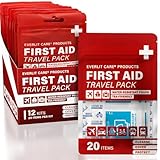
- Premium Waterproof Construction: Built with durable TPU material and a high-quality watertight zipper, this kit is fully waterproof and resistant to high pressure—perfect for keeping contents dry in any environment.
- Ultralight, Compact & Travel-Friendly: Measuring just 8" x 5.5" x 1" and weighing only 7 oz, this kit fits easily into any pack without adding bulk. Includes a carabiner for quick attachment to backpacks, kayaks, or gear loops.
- Comprehensive First Aid Kit: Packed with 55 pieces of essential first aid supplies —designed to handle common injuries and emergencies whether you're hiking, boating, or camping. Treats cuts and scrapes, and other injuries.
- Must-Have Essential for Every Outdoor Adventure: Whether you're hiking rugged trails, paddling downriver, this compact waterproof first aid kit is built to keep you prepared. Trusted by backpackers, it’s the perfect first aid kit for hiking, backpacking, kayaking, fishing, or biking. This personal first aid kit weighs next to nothing but delivers serious peace of mind. Ideal as a hiking medical kit, bike first aid kit, backpack first aid kit, or even a boat emergency kit.
EVERLIT Portable Hard-Shell Mini First Aid Kit

You’ll love that EVERLIT’s 24 hard‑shell cases hold 1,200 items yet remain lightweight and water‑resistant, and because the D‑ring slot lets you mount the kit on a backpack or belt, you can access it instantly—ideal for parents juggling kids, hikers on the trail, or commuters on the move. Inside, each case stacks 50 items—half hospital‑grade—so you have plasters, gauze, tape, sting relief, prep pads, and non‑adherent covers for cut or sprain. The hard shell keeps contents dry and durable, while the 12 style choices let you match your kit to vibe. It’s always a safety companion you’ll keep close.
Best For: outdoor enthusiasts, parents on the go, and commuters who need quick, reliable first‑aid access while traveling or working.
Pros:
- Compact 24‑case design holds 1,200 items, including 600 hospital‑grade supplies, ensuring comprehensive care in a lightweight, water‑resistant package.
- D‑ring attachment allows hands‑free, rapid deployment on backpacks, belts, or bags, keeping lifesaving supplies always within reach.
- 12 vibrant color options let users customize their kit, making emergency readiness stylish as well as functional.
Cons:
- The limited non‑hospital‑grade supplies may require additional purchases for severe injuries.
- While water‑resistant, the hard shell may still suffer dents or cracks during rough outdoor use.
- Bulkier than single‑case kits, may add unnecessary weight for ultra‑lightbackpackers.
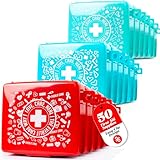
- 🩹 𝗖𝗢𝗠𝗣𝗥𝗘𝗛𝗘𝗡𝗦𝗜𝗩𝗘 𝗪𝗢𝗨𝗡𝗗 𝗖𝗔𝗥𝗘 | Filled with 600 hospital-grade medical items to effectively handle emergencies, each case contains 50 premium-quality first aid items, including adhesive plasters, sterile gauze pads, non-adherent pads, wound prep pads, medical tapes, sting relief pads and more. Be ready to treat cuts, scrapes, and stings confidently with the reliability of hospital-grade supplies at your fingertips.
- 🔗 𝗖𝗢𝗡𝗩𝗘𝗡𝗜𝗘𝗡𝗧 𝗠𝗢𝗨𝗡𝗧𝗜𝗡𝗚 𝗪𝗜𝗧𝗛 𝗗-𝗥𝗜𝗡𝗚 𝗦𝗟𝗢𝗧 | The meticulously designed D-ring slot allows effortless attachment to backpacks, purses, diaper bags, or even belt loops, giving you quick access to first aid supplies in any situation. Whether you're hiking through rugged trails, navigating a bustling airport, or simply running errands, this hands-free feature ensures your first aid kit is securely mounted and easy to grab when you need it most. No more fumbling through bags – just peace of mind on the go.
- 🛡️ 𝗗𝗨𝗥𝗔𝗕𝗟𝗘 𝗣𝗥𝗢𝗧𝗘𝗖𝗧𝗜𝗢𝗡 𝗙𝗢𝗥 𝗢𝗡-𝗧𝗛𝗘-𝗚𝗢 𝗨𝗦𝗘 | With a sturdy, water-resistant design, these hard-shell cases are built to protect hospital-grade first aid supplies from any potential damage. Whether hiking, traveling, or running errands, your first aid essentials stay safe and accessible.
- 🌈 𝗙𝗨𝗡 & 𝗖𝗢𝗟𝗢𝗥𝗙𝗨𝗟 𝗗𝗘𝗦𝗜𝗚𝗡𝗦 | The PocketAid features 12 exclusive hard-shell cases in vibrant colors and beautiful patterns. With a sturdy, water-resistant design, these cases are built to protect hospital-grade first aid supplies from any potential damage. Each case is lightweight and easy to carry, whether hiking, traveling, or running errands, your first aid essentials stay safe and accessible, making it perfect for home, car, office, or outdoor adventures, ensuring you're prepared for emergencies wherever you go.
- 🌟 𝗜𝗗𝗘𝗔𝗟 𝗙𝗢𝗥 𝗖𝗛𝗜𝗟𝗗𝗥𝗘𝗡, 𝗙𝗔𝗠𝗜𝗟𝗜𝗘𝗦 𝗔𝗡𝗗 𝗢𝗨𝗧𝗗𝗢𝗢𝗥 𝗘𝗡𝗧𝗛𝗨𝗦𝗜𝗔𝗦𝗧𝗜𝗖𝗦 | A practical yet stylish gift, PocketAid is ideal for parents, travelers, and outdoor enthusiasts. Its compact size, beautiful design, and essential contents make it a thoughtful addition to any on-the-go lifestyle. Whether you’re dealing with minor cuts, scrapes, or more serious injuries, our first aid kit is designed to provide you with the tools and confidence needed to handle any situation. Perfect for camping, hiking, sports, and daily use.
General Medi Mini 110‑Piece Red First Aid Kit

Busy commuters, the General Medi Mini 110‑Piece Red First Aid Kit squeezes an impressive 110 hospital‑grade items into a compact pouch that weighs just 0.35 lb. It meets global safety standards, carrying a certificate of conformity that keeps you confident on the go. Inside, you’ll find 110 hospital-grade supplies—everything from an emergency foil blanket and scissors to dressings, antiseptics, tape, and gloves—ready for urgent care in any crisis. Its 0.35‑lb, hard‑shell pouch is sturdy, moisture‑resistant, and weather‑proof, so it survives daily wear and wet conditions without losing integrity. Its compact size fits easily in a glove box or a backpack pocket.
Best For: Busy commuters, travelers, and outdoor enthusiasts who need a quick‑access, weather‑proof, hospital‑grade first aid kit that fits easily in a glove box or backpack.
Pros:
- 110 hospital‑grade items compressed into a 0.35‑lb pouch that’s light enough for commuting yet sufficient for most minor emergencies.
- Conforms to global safety standards, giving peace of mind for any setting that demands reliable medical supplies.
- Durable, moisture‑resistant hard‑shell design protects contents even in wet or harsh environments.
Cons:
- Lacks the specialized equipment required for severe medical emergencies (e.g., advanced trauma or surgical supplies).
- The small pouch can hinder quick access to certain items during high‑stress situations that need rapid handling.
- Limited volume means additional supplies must be carried separately for heavier or bulkier medical needs.

- Security And Reliability - All of our first aid products carry certificate of conformity to ensure conformance to global standards wherever they are used.
- Contents – Packed with 110 Pieces useful and valuable hospital grade first aid supplies - See the product images and the product description below for a full list of contents. We are confident that you will find that there are more and higher quality contents in our kits than any other on the market.
- Design - For maximum efficiency and portability, this basic first aid kit weighs only 0.35 pound and features a compact, travel-friendly design. Perfect for cars , schools , boat , children and more
- Comprehensive Care - This ultimate survival kit consists of everything that you need to clean and dress minor wounds in a convenient mini pouch . Our first aid bag also includes a premium selection of emergency-preparedness supplies, giving you the peace of mind that you deserve for small trauma during every adventure at home, school, office, and the outdoors.
- HIGH QUALITY - You need first aid kit that's as tough as you are, which is why we sell high quality products that are built to last.
BLINGSTING 75-Pack Travel First Aid Kit

Ideal for the city dweller who wants a compact 75‑piece safety net, BLINGSTING’s gold case boasts a TSA‑approved, razor‑thin design that slides into any pocket or purse—while the pink interior reminds you it’s as chic as it is practical. Inside, you’ll find 75 carefully selected supplies—including bandages, antiseptic pads, wipes, safety pins, and other handy tools—designed to handle scrapes, tweezers, and tiny cut‑off emergencies. That small, elegant kit empowers you to stay safe on subway rides, over coffee shops, and during weekend hikes, proving that protection can be both fashionable and functional. Pack it; confidence follows everywhere all day.
Best For: commuting, travel, and weekend adventure women who want a stylish yet practical 75‑piece emergency kit that fits in a purse or pocket.
Pros:
- Gold, TSA‑approved case that fits easily into any bag or pocket.
- 75 curated supplies (bandages, wipes, antiseptic pads, safety pins, tweezers, etc.) for quick on‑the‑go first aid.
- Chic pink interior design marries fashion with safety, boosting confidence wherever you go.
Cons:
- Limited to small, minor injuries; not a substitute for a full medical clinic.
- Bulk can feel bulky for ultra‑compact travel (despite being pocket‑ready).
- Price point could be high for budget shoppers unaccustomed to fashion‑driven safety gear.

- ALL-IN-ONE EMERGENCY RESCUE SUPPLIES: This comprehensive first aid kit contains 75 essential items, including bandages, wipes, antiseptic pads, safety pins, and more, ensuring you're well-prepared for unexpected emergencies in life.
- STYLISH & COMPACT DESIGN: Encased in a sleek gold travel case with an elegant pink interior, this mini emergency kit combines functionality with a stylish addition to your car, purse, backpack, or home décor.
- VERSATILE & MULTIPURPOSE: Whether you're commuting, running errands, or traveling during a summer holiday, this multipurpose first aid kit is crafted to be your essential solution for bumps, bruises, and minor injuries, making it an ideal gift for women of all ages.
- THE BLINGSTING MISSION: We combine fashion and function to empower women with stylish personal safety tools, turning everyday safety into something fabulous. Our mission is to provide innovative, trendy, and effective safety products that seamlessly integrate into your daily life. Whether it's a glittery keychain alarm or a pepper spray, Blingsting ensures you can feel confident and protected without sacrificing style.
- ABOUT US: At Blingsting, we believe in empowering women with stylish and effective personal safety tools. Founded in 2013, our mission is to provide safety products that are as fashionable as they are functional. We aim to make everyday safety exciting, ensuring our products blend seamlessly with your style while offering necessary protection. From glittery keychain alarms to pepper sprays and safety kits, Blingsting is committed to keeping over 3 million women safe and stylish.
MFASCO 7-in-1 TSA Travel Medicine Kit

If you’re hustling through packed subway tunnels or zipping between meetings, the MFASCO 7‑in‑1 TSA Travel Medicine Kit slips neatly into any tote or pocket, giving you a full set of bandages, antiseptic wipes, pain relievers, and more—all under TSA‑approved packaging.
Pack it on flights, train rides, or border crossings, and let the 7‑in‑1 kit refill your base kit on the go. Inside, you’ll find gauze, hydrating ointment, 0.5‑mg ibuprofen, topical antibiotic, and a reusable bandage roll handy when an emergency erupts. It meets TSA limits, so you can bring it through every international checkpoint and enjoy hassle‑free travel.
Best For: Travelers who need a compact, TSA‑allowed first‑aid solution for flights, train journeys, and border crossings without compromising on essential medical supplies.
Pros:
- All-in‑one, travel‑size kit that meets TSA liquid and size limits.
- Includes a variety of tools (gauze, ointment, ibuprofen, antibiotic) for quick, on‑the‑go first aid.
- Refillable design keeps a base kit topped up throughout long trips.
Cons:
- Limited to 0.5‑mg ibuprofen tablets, which might not suit heavy‑pain situations.
- Kit’s small size may not cover severe injuries or extensive trauma.
- Some users may prefer a standalone adhesive bandage roll rather than a reusable roll.
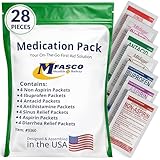
- Great For Refilling Smaller First Aid Kits for On the Go or Travel. Assembled in USA.
- Compact and easy to carry wherever you go
- Unit-Dose Packets of Medication for Ease of Use
- Contains the Most Often Used OTC Medications: Ibuprofen 200 mg tablets, Aspirin, Non-Aspirin, Diarrhea Relief, Stomach Upset Relief, Sinus and Allergy Relief
Mini Travel First Aid Kit Kids & Outdoors

When you’re out with the kids on a trail, this mini kit keeps 10 essential first‑aid supplies neatly bundled in a 70 % alcohol‑sealed plastic tote, ready for any small cut or burn. Inside, you’ll find four lock‑tite bandages, two 2‑×‑2 gauze pads, an antiseptic wipe, a burn‑gel ointment, a triple‑antibiotic lotion, and a 70‑% alcohol hand wipe, perfectly arranged for quick access. The snug tote fits backpacks, glove slots, or phone cases, keeping your kids safe on adventures. With kid‑friendly colors and compliance to top international standards, this lightweight bundle is truly a reliable companion for any outdoor excursion.
Best For: kids and families on short hikes, school trips, car journeys, and any outdoor activity where a compact, user‑friendly first‑aid solution is needed.
Pros:
- Ultra‑portable design fits backpacks, glove compartments, and phone cases.
- Kid‑friendly colors and packaging make it engaging for children.
- Includes a full spectrum of essential supplies for minor cuts, burns, and infections.
Cons:
- Limited to 10 items—may not cover serious injuries or larger wounds.
- Small quantity could run out quickly with heavy use.
- Not a substitute for a comprehensive medical kit or professional care.
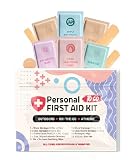
- ALL THE HOME FIRST AID KIT SUPPLIES YOU NEED AND WANT: Each Individual Pack comes with: 4 – Assorted Sized First Aid Bandages, 2 – 2 x 2, 12 Ply First Aid Gauze Pads, 1 – Antiseptic Wipe, 1 – Burn Gel, 1 – Triple Antibiotic Ointment, and 1 - 70% alcohol hand wipe all packed together in a convenient to carry mini plastic Zip Top bag.
- PACKABLE, PORTABLE, ZIPPABLE: Our First Aid Kits are compact, lightweight, hermetically sealed and neatly packaged in a reseal able and reusable zip top bag that fits easily into your travel bag, purse, glove compartment of your vehicle, and into your busy lifestyle. Travel Equipment for the busy individual. Perfect First Aid Kit Car
- STAY SAFE IN A SMART, CONVENIENT & FUNCTIONAL WAY: This 10 Pack First-Aid Kit contains all the items you will need to treat small injuries while out of the house without all the effort of carrying around a cumbersome box with tons of items that you do not need. Perfect Home Care items in small packaging
- WE’VE GOT YOU COVERED: Our small and portable First Aid Kit comes in all different colors and desings for your youngster and are the solution you’ve been searching for. Great First aid kit for camping, Work, school, or anywhere life takes you, we have the Travel First Aid Kit' that you need.
- YOUR CONVENIENCE IS OUR #1 PRIORITY: Our Mini Family First Aid kit are manufactured to the highest international standards. Rest assured that all the products contained inside are made from the best quality materials and ingredients for your safety and well-being making this the perfect first aid kit home.
DMI Mini 20-Piece Water-Resistant First Aid Kit

Because its 4 × 3.5‑inch case and water‑resistant construction keep it slim and dry, the DMI Mini 20‑Piece kit slips neatly into a backpack or travel bag, making it the go‑to first‑aid solution for commuters and urban travelers who’ll need a quick, reliable fix without bulk. Inside, the kit holds 20 essentials: six alcohol swabs, two gauze pads, a bandage roll, a tape strip, and ten adhesive bandages of varied sizes, all neatly arranged to be accessed. The durable, water‑resistant case protects your supplies from moisture, so whether you’re stuck in traffic, hiking, or doing desk work, you can restore comfort.
Best For: commuters, travelers, and anyone who needs a lightweight emergency kit that slips easily into a backpack, pocket, or glove compartment.
Pros:
- Ultra‑compact, 0.13 lb kit fits in any travel bag
- Fully water‑resistant case protects supplies from moisture
- Contains 20 essentials, including a bandage roll and varied adhesive bandages
Cons:
- Limited to minor cuts, scrapes, and small wounds
- Lacks items for severe injury care (e.g., broken bones, heavy bleeding)
- Quick depletion of supplies if used frequently, requiring frequent restock.

- The first aid kit is small, portable and includes 20-pieces, making it perfect for your car, travel, bookbag, carry-on luggage, desk drawer, handbag, and more!
- This travel bandaid kit includes the essentials for common minor cuts and scrapes. (6) Alcohol swabs (2) Gauze Pads (1) Bandage Roll (1) Bandage Tape (10) Adhesive bandages of various sizes.
- The travel-size case is durable and water-resistant and protects the contents from moisture and damage while keeping everything organized and accessible.
- Everyday Emergency Preparedness for home, work, travel, hiking, road trips, or school—perfect for treating minor cuts, scrapes, blisters, and burns when professional care isn’t immediately available.
- Case Dimensions: 4″ W x 3.5″ H x 1″ D. Weight: .13lbs. Piece Count: 20. If you're looking for a slightly larger, but still perfectly portable first aid kit, try out our 76, 175, or 298 piece kits!
Johnson & Johnson Travel Aid Kit Pack 3

You’ll find the Johnson & Johnson Travel Aid Kit Pack 3 indispensable for city dwellers, as each durable case cradles 12 essential items—hand‑cleansing wipes, gauze pads, and two sizes of Band‑Aid—compact enough to slide into a glove‑box, purse, or locker. Three self‑contained kits cover every environment: home, car, and office, including workplace. Each pack houses the same 12 staples, so you never miss a dressing or a quick clean‑up. The case resists wear, so it survives curbside spills or back‑seat bumps, and quick taps. Ready for gym scrapes or roadside cuts, it’s the sidekick that keeps your day on track.
Best For: Anyone who needs a compact, all‑in‑one first‑aid solution for home, car, or office emergencies—especially city dwellers, commuters, and small‑space travelers.
Pros:
- Each kit contains 12 essential items, ensuring you have the right supplies in a single, durable case.
- The three‑pack design guarantees you have a dedicated kit for home, vehicle, and workplace, eliminating the need to rummage or duplicate.
- Strong, wear‑resistant plastic construction keeps the kits intact even after curbside spills or back‑seat bumps.
Cons:
- The inclusion of only two sizes of Band‑Aids may limit coverage for larger or oddly shaped wounds.
- No extra medical supplies (e.g., scissors, tweezers, or antiseptic solutions) mean you may need to supplement with other items for more serious injuries.
- The small size, while portable, may lack sufficient gauze for extensive dressings or more extensive wound care.

- Johnson & Johnson First Aid Kit To Go -- Pack of 3 Kits. Includes Essential First Aid Items.
- The perfect first aid kit for car, purse, office, gym and more. Durable plastic case with 12 items -- hand cleansing wipes, gauze pads and two sizes of Band-Aids.
- Always be prepared with these travel first aid kits by Johnson & Johnson. Fit in any glove box, cabinet or purse.
- This mini kit is perfect for minor first aid situations.
- Pack of 3 -- enough for home, car and office.
Mini-Aid 180-Piece First Aid Kit Pack of 3

If you’re a city commuter, the Mini‑Aid 180‑piece first‑aid kit pack of 3 delivers pocket‑sized convenience that fits right into your metro bag. Each compact case holds 60 sterile wound‑care items—gauze, pads, wipes—so you’re never short. The sealed packaging deters contamination, giving you confidence in metro crush, office break, or weekend hike. A carabiner lets you clip the kits to a backpack or gloves box, while the water‑resistant, shock‑absorbing shell protects against spills and bumps. Whether you’re a student, a team leader, or a traveler, this 3‑pack stays ready, so you can move between work, school, and the subway without swapping kits. With 180 sterile supplies across the three kits, you’ll handle cuts, scrapes, and blisters with the same professional care today.
Best For: Busy commuters, outdoor enthusiasts, and families who need a compact, fully stocked first‑aid solution that stays ready wherever life takes them.
Pros:
- 180 sterile supplies across three kits for long‑lasting, reliable care.
- Pocket‑size, water‑resistant cases with carabiners for easy attachment to backpacks or gear.
- Professional‑grade, pre‑sealed items that ensure contamination‑free performance in any setting.
Cons:
- Limited to 60 wound‑care items per kit, so heavy‑traffic or larger parties may deplete supplies quickly.
- Lacks larger tools such as scissors, tweezers, or a tourniquet for severe injuries.
- Designed for everyday emergencies, not for large‑scale or industrial disaster situations.

- 𝑩𝒖𝒍𝒌 𝑷𝒂𝒄𝒌, 𝑨𝒍𝒘𝒂𝒚𝒔 𝑹𝒆𝒂𝒅𝒚 - Mini-Aid comes with three compact kits, giving you peace of mind at home, in the car, and at work. No need to move one kit around — you’re covered wherever life takes you.
- 𝑭𝒊𝒍𝒍𝒆𝒓-𝑭𝒓𝒆𝒆 𝑬𝒔𝒔𝒆𝒏𝒕𝒊𝒂𝒍𝒔, 𝑹𝒆𝒂𝒍 𝑪𝒂𝒓𝒆 - Each kit holds 60 carefully chosen items that truly matter. No wasted space or inflated counts, just reliable supplies ready to help in real emergencies.
- 𝑺𝒕𝒆𝒓𝒊𝒍𝒆 𝑺𝒖𝒑𝒑𝒍𝒊𝒆𝒔, 𝑷𝒓𝒐𝒇𝒆𝒔𝒔𝒊𝒐𝒏𝒂𝒍 𝑺𝒕𝒂𝒏𝒅𝒂𝒓𝒅 - Proper wound care begins with sterility, the foundation of real care. Every item that touches a wound — from wipes to gauze and pads — is sterilized in a medical-grade facility to meet professional first aid standards.
- 𝑷𝒓𝒆𝒎𝒊𝒖𝒎 𝑬𝒎𝒆𝒓𝒈𝒆𝒏𝒄𝒚 𝑪𝒂𝒓𝒆 - More than numbers, MiniAid delivers real care. Every essential is chosen for effectiveness, giving you confidence your kit is built for true emergencies, not just piece counts.
- 𝑫𝒖𝒓𝒂𝒃𝒍𝒆 & 𝑻𝒓𝒂𝒗𝒆𝒍 𝑭𝒓𝒊𝒆𝒏𝒅𝒍𝒚 - Built for life on the go, each kit comes with a carabiner for quick attachment. The case is water-resistant, shock-absorbing, and crack-resistant — compact and lightweight to fit in gloveboxes, backpacks, or travel bags, and tough enough to withstand outdoor use.
Everlit Mini Rescue Pack 105 Essentials

When you’re traversing the grid of a city, the Everlit Mini Rescue Pack 105 Essentials offers a lightweight, pocket‑sized solution that still packs a full set of 105 medical supplies. You’ll tuck it into any pocket, bag, or purse, and the attached D‑ring lets you clip it onto your backpack or belt for quick access. Inside, waterproof bandages, gauze, tweezers, and other essentials cover cuts, scrapes, and bruises, while kid‑friendly tools encourage safety learning. Bravery Patch Stickers reward courage, making first aid fun for children. A clear manual teaches you and family care techniques, empowering confidence on urban adventure.
Best For: families, travelers, and parents who want a lightweight, pocket‑sized first aid kit that’s easy to carry and includes kid‑friendly tools to teach basic first aid on the go.
Pros:
- 105 carefully selected supplies that fit in a pocket‑sized bag and attach via a D‑ring for instant accessibility.
- Waterproof bandages, gauze, tweezers, and other essentials cover the most common injuries while remaining child‑friendly and simple to use.
- Bravery Patch Stickers and a clear, kid‑friendly manual turn first aid into an engaging learning activity that boosts confidence during outdoor adventures.
Cons:
- Not equipped for severe or life‑threatening injuries; a larger medical facility is still needed in emergencies.
- The compact size means supplies may run out quickly on extended trips or during frequent use.
- The price point can be higher than a basic carry‑out bandage kit, which may deter budget‑conscious shoppers.

- 🏥 105-Piece Compact First Aid Essentials: Introducing the Mini Rescue Pack - a pocket-sized powerhouse with 105 carefully selected medical supplies for quick and effective first aid on your adventures.
- 🌟 Compact and Portable for On-the-Go Safety: Designed for families on the move, the Mini Rescue Pack ensures you're always prepared with its compact size that easily fits into pockets, bags, and purses.
- 💪 Versatile and Waterproof Bandages: Our mini first aid kit includes a range of waterproof bandages suitable for various small cuts, scrapes, and bruises, providing reliable protection during playtime.
- 🦸♂️ Bravery Patch Stickers - A Fun Reward System: Turn first aid into a positive experience with our Bravery Patch Stickers! Featuring adorable cartoon characters, they comfort and reward your little one for their courage.
- 📘 Educational Fun with Kids-Friendly Instructions: Empower your child with knowledge through our easy-to-read instructions, making learning about first aid an interactive and enjoyable experience.
M2 BASICS Mini First Aid Kit 10-Pack

Pack a M2 BASICS Mini First‑Aid Kit into your car’s glove compartment, and you’ll always have a compact, fully‑stocked emergency solution at hand. Each kit contains 50 essentials—bandages, gauze, wipes, scissors, tape, and more—so one purchase gives you 500 ready‑to‑use items. The bulk option lets you equip homes, offices, classrooms, or shelters, and share with friends, family, or charities in need. Its cube‑shaped case slips into glove boxes, backpacks, or desks without sacrificing space, keeping everything handy for road trips, hikes, or daily commutes. One package delivers cost‑effective preparedness across multiple sites, making the M2 BASICS 10‑pack a dependable, disaster‑ready investment.
Best For: households, offices, schools, shelters, and charitable groups who need a cost‑effective, ready‑to‑use first‑aid solution.
Pros:
- 10‑pack offers 500 items for bulk savings and multiple site coverage.
- Compact cube case fits glove boxes, backpacks, desks, and vehicle compartments.
- Includes essential supplies (bandages, gauze, wipes, scissors, tape) for quick, safe response.
Cons:
- Limited to basic first‑aid items—no advanced medical equipment or prescription meds.
- Not designed for prolonged medical emergencies requiring specialist care.
- Small case may feel cramped for users who prefer more extensive supplies.

- 10 Pack Mini First Aid Kit Bundle: Includes 10 individual kits with 50 supplies each, totaling 500 pieces. Contains bandages, gauze pads, antiseptic wipes, and essential items for minor injuries.
- Designed for Donations & Outreach: Suitable for shelters, disaster relief, churches, schools, and nonprofit distribution. Individual kits make it easy to provide support in community programs.
- Compact Size for Everyday Carry: Each kit fits in glove boxes, backpacks, purses, desks, lockers, and travel bags. Lightweight design keeps supplies accessible without bulk.
- Place Kits Across Multiple Locations: Store in vehicles, classrooms, offices, work trucks, or cabinets. Keep coverage in high-use areas with ready-to-use supplies.
- Supports Treatment of Minor Injuries: Helps address cuts, scrapes, blisters, and small wounds during daily activities, travel, and outdoor use.
CURAD First Aid Portable Pack |15 – Count On-the-Go Essentials |12 Packs

Because the kit’s water‑resistant, resealable pouch keeps supplies dry, you can rely on it for everyday city travel. This 15‑item kit gives you alcohol prep pads, Flex‑Fabric bandages, plastic bandages, spot bandages, and waterproof bandages for quick first‑aid fix. You’ll fit it into a purse, backpack, suitcase or car compartment without sacrificing room. Reusable packaging trims waste and saves you money, making it ideal for schools, clinics, businesses or tight travel budgets. Call manufacturer support at 800‑633‑5463 if you need help or a replacement. Pack it, carry it, and know your city emergency just got a reliable ally today.
Best For: busy commuters, families, and small businesses that need a compact, reliable first‑aid solution on the go.
Pros:
- Water‑resistant, resealable pouch keeps supplies dry and ready for use.
- Slim, lightweight design fits easily into purses, backpacks, or car storage.
- Reusable packaging reduces waste and saves money over time.
Cons:
- 15‑item count may not suffice for serious or multiple injuries.
- Not designed for advanced medical emergencies or professional healthcare settings.
- While compact, complete kits can still add noticeable weight when fully stocked.

- FIRST-AID KIT ESSENTIALS: Contains alcohol prep pads and Flex-Fabric, plastic, spot and waterproof bandages offers the items necessary to effectively clean, cover, and protect minor injuries—ideal for cuts, scrapes, and burns.
- Portable On-the-Go Convenience: Your travel-friendly essential, perfect for schools, clinics, businesses, and everyday use, ensuring immediate access to necessary first aid items.
- Water-Resistant and Secure: Resealable packaging ensures contents remain safe and dry, ready for use in any situation.
- Reusable and Practical: Packaging can be used repeatedly, making it a cost-effective and convenient solution to keep essential first aid items readily available.
- Compact Design for Easy Storage: Slim and portable, easily fits into purses, backpacks, suitcases, or car compartments for quick accessibility during emergencies.
General Medi Mini 150-Item First Aid Kit

You’ll find the General Medi Mini 150‑Item kit perfect for the urban traveler: its 0.35‑lb, pocket‑sized pouch packs every hospital‑grade item you could need—from safety needles to an emergency foil blanket—so you’re ready to handle a cut, scrapes, or a sudden injury right in your car, classroom, or cramped subway car.
Its compact size keeps essential tools—gauze, bandages, antiseptic wipes, and safety needles—organized in a pouch that fits your glove compartment or backpack. Certified with safety standards, it withstands use and unexpected situations. With 150 pieces, every minor wound is covered, giving you confidence for any commute or adventure.
Best For: travelers, commuters, and outdoor enthusiasts who need a compact, hospital‑grade first‑aid kit for quick injury care on the go.
Pros:
- 150 hospital‑grade items packed into a lightweight 0.35‑lb pouch
- Certified safety standards and durable construction guarantee reliability
- Fits easily in glove compartments or backpacks, making it ideal for everyday travel
Cons:
- Designed for minor injuries only; not a substitute for serious medical care
- Small housing can be trouble‑free to check after repeated use
- Limited supply of certain supplies for longer or more remote adventures

- Security And Reliability - All of our first aid products carry certificate of conformity to ensure conformance to global standards wherever they are used.
- Contents – Packed with 150 Pieces useful and valuable hospital grade first aid supplies - See the product images and the product description below for a full list of contents. We are confident that you will find that there are more and higher quality contents in our kits than any other on the market.
- Design - For maximum efficiency and portability, this basic first aid kit weighs only 0.35 pound and features a compact, travel-friendly design. Perfect for cars , schools , boat , children and more
- Comprehensive Care - This ultimate survival kit consists of everything that you need to clean and dress minor wounds in a convenient mini pouch . Our first aid bag also includes a premium selection of emergency-preparedness supplies, giving you the peace of mind that you deserve for small trauma during every adventure at home, school, office, and the outdoors.
- HIGH QUALITY - You need first aid kit that's as tough as you are, which is why we sell high quality products that are built to last.
Pink Mini Portable Travel First Aid Kit

For urban commuters who need a quick fix at a bus stop or subway station, this pink mini kit slides snugly into any backpack or handbag. Its compact shape and light weight let you carry it anywhere, from a trekking trail to a business lunch, without feeling bulky. A bright pink finish makes it instantly recognizable, and its sturdy handle keeps it secure whether you’re on a plane or through a crowded city walk. Inside, multiple compartments and pockets neatly hold adhesive bandages, antiseptic wipes, tweezers, and small blister packs, so you always know what you need. Stay safe.
Best For: commuters, hikers, and travelers who need a quick, compact first‑aid solution for any setting.
Pros:
- Compact and lightweight, fits easily into bags and backpacks.
- Multiple compartments keep supplies organized for quick access.
- Bright pink finish makes it instantly recognizable during an emergency.
Cons:
- Limited capacity may not hold larger medical supplies.
- Only includes basic first‑aid items; not suitable for severe injuries.
- Some users may prefer a larger, more durable kit for prolonged outdoor use.

- 🏥COMPACT DESIGN: Pink mini first aid kit perfect for outdoor activities, travel, and everyday emergencies with its space-saving portable size
- 🏥ORGANIZATION: Multiple compartments and pockets help keep medical supplies neat and easily accessible when needed
- 🏥PORTABILITY: Lightweight bag with sturdy handle makes it convenient to carry or store in backpacks, cars, or camping gear
- 🏥EMERGENCY READY: Designed to store essential first aid supplies and basic medical items for quick access during unexpected situations
- 🏥VERSATILE USE: Ideal for hiking, camping, travel, sports activities, home, office, or car emergency preparedness
Factors to Consider When Choosing Mini First-Aid Kits for Urban Travel (Real Essentials)**
When choosing a mini first‑aid kit for city travel, you first consider size and weight—keeping it lightweight yet spacious enough for essentials. Next, evaluate supply variety and allergen awareness to make sure you have the right items for common injuries and personal sensitivities. Finally, look for portability features and durability standards that make the kit reliable and easy to carry on public transport or in a purse.
Size and Weight
Because city commutes often squeeze your luggage, keeping your mini first‑aid kit to roughly 8 × 5.5 × 1 in. (20 × 14 × 2.5 cm) lets it slip comfortably into a backpack or handbag pocket.
You’ll also want the entire kit to weigh no more than 7 oz (about 0.2 lb). That keeps it from adding noticeable bulk to your carry‑on or briefcase. A design that caps at around 20–25 items balances practicality with space. Stackable or compartmented layouts shrink bulk while keeping each supply within easy reach. Aim for at least 4 in. tall (10 cm) so standard dress‑bandages and antiseptics fit, yet stay slim enough for glove compartments or tight luggage pockets. Lightweight materials like EVA foam or thin nylon also reduce bulk, ensuring you can carry the kit anywhere without feeling encumbered. Carry confidently.
Supply Variety
Building on the size‑and‑weight foundations, the real measure of a kit’s usefulness comes from the variety of supplies you include. To cover everyday cuts, you’ll want at least four bandage sizes—tiny 3×0.75 in, 3×0.63 in, 2×2 in, plus a roll—to match any wound. Combine flexible adhesive plasters with 12‑ply gauze pads for cuts, scrapes, and abrasions. Equip yourself with a disinfectant or antiseptic wipes for immediate cleaning. A pair of scissors plus a tape measure or ruler lets you trim and size accurately. When a kit stocks 50–150 items, you get spare supplies, multiple dressing options, and extras like an emergency blanket or safety pins, boosting readiness for any mishap. Additionally, a compact flashlight or multi‑tool aids low‑light situations, while pill packs manage pain and swelling rapidly.
Allergen Awareness
If you’re concerned about allergies, the first thing you need to do is check your kit for latex, nickel, and fragrance. Roughly 7–10 % of U.S. residents have latex allergies, so avoid kits with latex‑based bandages or tapes. Natural rubber latex, nickel‑infused metal fasteners, and fragrance additives are the top three allergens in mini kits. A 2023 study found 40 % of latex‑sensitive patients had severe reactions after using standard adhesive bandages. Opt for labels like “latex‑free” or “glove‑rated,” silicone or aluminum bandage adhesives, and fragrance‑free antiseptic wipes. For confirmed allergies, a dedicated latex‑free mini kit can cut severe reaction risk by up to 75 % when you need immediate care. Remember to replace worn items promptly and keep your kit near emergency contacts for quick access.
Portability Features
When you’re looking at a mini first‑aid kit for city travel, the first thing you’ll see is its size—an 8 × 5.5 × 1‑inch case that weighs about seven ounces fits straight into a glove compartment, backpack, or on a bike frame without adding bulk. Its lightweight construction—about 7 oz. for a 20‑piece kit—lets you carry it without feeling overloaded, while still holding all essential supplies. Integrated attachment options, like a D‑ring slot or carabiner, give you instant access by mounting on bike loops, kayak racks, or luggage handles. Water‑resistant or waterproof coatings protect contents during sudden showers, and a resealable zip‑top keeps the kit dry and hygienic from the bag until it’s needed. Pack it next to your wallet or keys for instant retrieval when daily emergencies arise.
Durability Standards
Because durability determines how long your kit can withstand everyday city chaos, you should first spot models that meet ISO 13485 and pass rigorous ASTM drop‑test standards. Hard‑shell cases made from high‑impact polycarbonate or ABS must pass ASTM D395 or IEC 60197, testing crush, drop, and vibration resilience from a 3‑foot fall. Water resistance is proven with IP ratings—IPX4 shields against splashes, IPX8 tolerates full immersion—so you keep supplies dry. Manufacturers also run temperature cycling from –40 °C to 80 °C and humidity tests (ASTM E331) to guarantee components stay functional amid city heat and humidity swings. A 12‑month reliability warranty plus material‑defect coverage signals industry confidence that the kit will survive everyday urban use. That’s the durability baseline you need. And always inspect the seal integrity before each trip.
Certification Compliance
Since durability matters, you should look for key certifications such as CE, ISO 13485, and FDA approval that confirm the kit meets internationally recognized safety and quality standards for medical devices. You’ll also want compliance with ANSI/CNS 148.1 or UL 60335‑3‑2, which guarantees your kit’s packaging withstands the fire‑and shock‑risks of metro tunnels or subways. A National Sanitation Foundation 61 label tells you disposables are free from harmful chemicals, safe for skin. An Health‑Care‑Provider seal means sterile gauze stays below 10 CFU/mL, keeping infection risk low. Finally, ISO 9001 shows the manufacturer follows a strict quality management system, reducing component failure or mislabeling during travel. When you choose a kit, verify these labels on the packaging and at sale; they’re your guarantee of dependable first‑aid readiness the go everywhere daily.
Frequently Asked Questions
Can I Legally Transport These Kits Across International Borders for Travel?
Yes, you can transport a mini first‑aid kit across international borders, but you’ll need to follow each country’s rules. Most airlines allow first‑aid supplies in carry‑on baggage, but some items—like band‑age wax or certain antiseptics—must be declared or may be prohibited. Pack the kit in a clear, labeled pouch, check your carrier’s policy, and check the destination’s customs guidelines to avoid surprises before you depart, double‑check the latest regulations today.
How Should I Dispose of Used Bandages and Medical Supplies Responsibly?
Picture your used bandages swirling like ash around a campfire—each must be buried, not tossed. You should first zip them into a sealed plastic bag, then deposit them at a local hazardous‑waste drop‑off or a pharmacy’s disposal bin. If those options aren’t nearby, place the bag in the trash, label it “medical waste,” and seal it tightly. Finally, wash your hands with soap, leaving no residue behind for everyone’s safety.
Do I Need to Renew My First-Aid Kit Annually for Validity?
No, you don’t need to renew your first-aid kit annually just for its validity. Instead, you should check its contents monthly, replacing any expired bandages, antiseptic, or medication. A well‑maintained kit stays effective, and you’ll avoid using useless supplies. Keep a log of expiration dates, and update items whenever they’ve expired rather than waiting a whole year. This approach keeps supplies fresh, prevents clutter, and maintains readiness during emergencies today.
What Are the Best Practices for Storing a Kit During a Long Trip?
Keep your mini first‑aid kit in a dry, accessible spot—like a dedicated bag or compartmented pouch. Waterproof it by wrapping in zip‑lock bags, and label each item so you spot what you need. Place the kit near your seat or head luggage—don’t leave it in the trunk where heat spikes. Store meds in a temperature‑controlled case, and double‑check expiration dates before departure. When traveling, rotate supplies, replacing used items.
Should I Include a Small Flashlight or Extra Supplies for Nocturnal Emergencies?
Absolutely, it’s as essential as oxygen: you should include a small flashlight and extra supplies for nocturnal emergencies. A tiny LED or a two‑handed pen‑light can light a flat, guide you to exits, and puncture emergency exits. Extra bandages, painkillers, and a whistle add layers to safety. Pack it in a pocket, keep it dry, and you’ll glide through dark moments unscathed, providing confidence as you navigate each shadowy encounter.
Conclusion
You’ve plotted your route, but the unexpected still lurks behind every corner. Packing a compact first‑aid kit turns your little bag into a guardian angel, a tiny bastion that shields you against cuts, scrapes, or a sudden migraine. Each ultra‑light item is a silent ally, ready to spring into action when storms roll into the city crowded lanes. With this pocket‑sized armour, you’ll stride confidently—when the urban wilderness throws its stubborn challenges at you today.
First Aid, Travel kits, Urban Travel