
Carry‑On Suitcases for Heavy Packers: Best Interior Layouts

Introducing Maria, our meticulous planner and talented visual storyteller. She has a knack for discovering those hidden gems, chic boutique spots, and charming little cafes that add a touch of elegance to every journey. With her keen eye for photography and her passion for travel, Maria will transport you to the most enchanting corners of the world, inspiring you to explore new places, one picture-perfect destination at a time.
Want a carry‑on that squeezes every cubic inch? Pick a 20‑inch spinner like the Rockland Melbourne, Krosser, or Samsonite Omni PC. Roll clothes tightly against walls, use cross‑straps to lock them, and drop shoes into the tray. An expandable zipper boosts volume, but keep expansion minimal to stay under airline limits. Pay attention to mesh pockets and silicone sections for quick access. If you carry on, you’ll discover the exact layout that maximizes every inch.
Key Takeaways
- Use a cross‑strap system to lock folded garments against the shell, freeing 10–15 % of usable volume.
- Divide the main compartment with preset mesh or silicone sections to keep items from shifting during travel.
- Incorporate a dedicated shoe tray or roll‑bar to keep footwear separate, preserving shape of clothes and reducing bulk.
- Pack pants, shirts, and sweaters tightly, rolling towards the interior walls, which can boost packing density by 15–20 %.
- Choose an expandable shell that adds only 1–2 in on each side, increasing capacity by 10–15 % while staying below airline dimensional limits.
Rockland Melbourne Hardside Green 20″ Expandable Spinner Luggage

If you’re a heavy‑packer who still needs to stay within airline limits, the Rockland Melbourne 20‑inch spinner lets you do just that—because it weighs only 7.5 lb, yet its 38.3‑liter capacity means you can stash a lot of gear without worrying about excess weight or bulky boxes. ABS hardshell protects fragile gear, and the double‑spinner wheels roll smoothly through airports. A telescoping aluminum handle locks with a push‑button for a firm grip. Inside, a mesh zip pocket and elastic compartment keep shirts, cables, and toiletries organized. This carry‑on complies with United, Delta, and Southwest limits, so you can travel worry‑free.
Best For: heavy‑packer travelers who need a lightweight, spacious carry‑on that meets airline size limits and offers smooth, all‑directional mobility.
Pros:
- Lightweight at only 7.5 lb, reducing weight‑surcharge risk.
- 38.3‑liter capacity gives generous packing space for clothes and essentials.
- Dual 360° spinner wheels and ergonomic aluminum handle provide effortless maneuverability in airports.
Cons:
- ABS hard shell can be prone to cracks if dropped or hit hard.
- Limited to a single model; no interchangeable color or size options.
- Lacks built‑in garment press or extra internal luggage organizer.
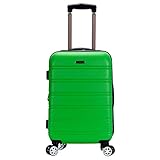
- 22"X13. 5"x9" (with wheels)
- Carry-On meets these airlines' size restrictions: United, American, Delta, Southwest, Allegiant
- Lightweight yet extremely durable ABS material
- Multi-directional double spinner wheels
- Sturdy ergonomic aluminum telescoping handle

KROSER 20″ Hardside Expandable Carry-On, TSA Lock

The Kroser 20” hardside expandable carry‑on is the go‑to choice for travelers who pack with purpose. It measures 21.5 × 14.1 × 9.3 inches, weighs just 7.04 lb, and expands beyond 36 L, giving you flexible capacity. Your main compartment features straps for organized gear, while a waterproof organizer keeps toiletries tidy. The U‑frame zip section shelters valuables, and a USB port powers devices on the go. Wheels turn 360°, and an aluminum handle readjusts comfortably, making movement effortless on any surface. You’ll find the TSA‑approved lock, reinforced zipper, and PC shell protect everything inside. It keeps you organized.
Best For: frequent travelers who need a lightweight, TSA‑locked, and expandable 20‑inch carry‑on with quiet 360° wheels and a built‑in USB port.
Pros:
- Ultra‑light at 7 lb and a compact 20‑inch size, perfect for carry‑on compliance.
- Hard‑shell PC material and reinforced zipper provide durability and scratch resistance.
- Built‑in USB port and TSA‑approved lock add convenience and security on the go.
Cons:
- The 20‑inch size limits luggage for larger items or bulky gear.
- No integrated power bank; a separate charger or battery is required for device charging.
- Expansion adds bulk when fully stretched, which can make it harder to fit in tight overhead bins.

- 【GREAT BALANCE OF SIZE AND CAPACITY】: KROSER carry on luggage fits in most airline overhead compartments. Packing capacity≈36L
- 【Product Dimensions】Including wheels and handles, 20 inch carry on luggage airline approved : 14.1 x 9.3 x 21.5", 7.04LB, can fit in the overhead bin. The luggage is expandable.
- 【Convenient Internal Structure】The spacious main compartment is equipped with cross straps for easy storage of items. Waterproof compartment can hold toiletries and U-frame zippered compartment for privacy.
- 【High Quality Accessories】 Durable spinner wheels are composed of precision shaft center and thickened wheel skin, which are wear-resistant, quieter and have stronger bearing capacity. They are applicable to different roads such as cobblestone road and carpet road. Smooth and durable reinforced explosion-proof zipper reverse coil prevents burst zipper. TSA-approved combination lock is safe and convenient. The all aluminum telescopic handle is durable and adjustable in multiple layers.
- 【Better Material】This Top opening carry on luggage made of fine PC material that makes it durable and scratch resistant, keeping it beautiful trip after trip.
Samsonite Omni PC 20-Inch Spinner Carry‑On

When you’re packing a full work wardrobe, a 20‑inch Omni PC spinner can expand up to 2617 cubic inches—plenty of room for laptops, shoes, and spare clothing.
Inside, a 100 % polycarbonate shell resists impact while a micro‑diamond texture keeps scratches away. The 10‑year warranty backs every seam and lock. You’ll glide with four 360° spinner wheels, and a side‑mounted TSA lock gives peace of mind on any airport. Dimensions stay within most carry‑on limits at 22 × 15 × 9.5 inches. Clean with warm, soapy water, rinse, and let it air‑dry—no harsh chemicals. Add a quick silicone polish for a gleaming look.
Best For: itinerant professionals and business travelers who need a sturdy, expandable carry‑on with TSA security and durable spinner wheels.
Pros:
- 100 % polycarbonate shell with micro‑diamond texture provides impact resistance and scratch protection.
- Expansion capability adds up to 2617 cubic inches of packing space.
- Four 360° spinner wheels and TSA‑approved lock for effortless mobility and security.
Cons:
- Heavier than aluminum‑lined competitors at 6.81 lb.
- Expansion feature can be cumbersome to activate and close securely.
- Requires gentle care; harsh chemicals can degrade the polycarbonate finish.
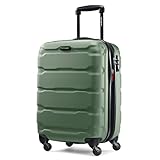
- 20" SPINNER LUGGAGE maximizes your packing power and meets most carry-on size restrictions for those traveling domestically and looking to stay light.Number of wheels:4
- PACKING Dimensions: 19" x 14.5" x 9.5", Overall Dimensions: 22" x 15" x 9.5", Weight: 6.81 lbs.
- 10 YEAR LIMITED WARRANTY: Samsonite products are rigorously tested to ensure our products meet stringent standards. This bag comes with a 10-year warranty against defects in materials and workmanship.
- MICRO-DIAMOND POLYCARBONATE texture is extremely scratch-resistant, keeping cases beautiful trip after trip
- SIDE-MOUNTED TSA LOCKS act to deter theft, ensuring that only you or a TSA agent have easy access to your belongings when traveling
Factors to Consider When Choosing Carry‑On Suitcases for Heavy Packers: Best Interior Layouts
When you load heavy items, you’ll want to squeeze every inch of space—use packing straps to keep clothes tight, roll tightly, and place the heaviest pieces on the bottom to keep the suitcase balanced. Decide early whether expandable or fixed capacity suits your trip, then layer the interior compartments so you can separate items without overpacking. Finally, pick a suitcase with sturdy, reinforced zippers and strong handles, because that’s what keeps your gear secure through repeated use.
Space Optimization Techniques
Because heavy packers need every inch of usable space, mastering interior layout becomes essential. Use a cross‑strap system to lock folded garments, freeing up 10–15 % of volume during transit. Add an expandable zipper on a hardshell carry‑on to boost capacity from 36 L to about 38–39 L without breaking carry‑on limits. Divide the main compartment with internal mesh pockets or preset silicone sections; this keeps frequently used items separate, so you can re‑pack tightly without opening the main bin. Keep an integrated roll‑bar or shoe‑tray compartment to separate clothing and footwear, preserving shape and reducing wasted space. Roll clothes toward interior walls and pack densely—properly rolled items increase density by 15–20 %. Apply these methods consistently, and you’ll see your suitcase fill perfectly, leaving room for souvenirs.
Weight Distribution Strategy
If you’re a heavy‑packer, mastering how you load item can mean the difference between a stable suitcase and one that tips or strains its wheels. Start by putting the heaviest items—shoes, books, gym gear—at the bottom toward the centerline; this keeps the center of gravity low. Alternate bulky pieces with lighter ones on both sides to keep the weight difference under ten percent. Tighten compression straps or use roll‑down packing cubes to shrink volume by up to fifteen percent while clustering heavy items near the base. Place fragile or used gear—electronics, passports—on top, so the load stays steady when you pull an outer layer. Aim for 35–40 pounds per carry‑on; more than forty‑three risks wheel strain and can cause a rollover on uneven ground.
Expandable vs. Fixed Capacity
Although expandable carry‑ons can boost capacity by roughly 10–15 %, each 1–2‑inch expansion adds about 0.5–1 lb to the base weight, which can bring you closer to the 50‑lb airline limit. If you need extra room, an expandable shell lets you add 1–2 in on each side, raising volume by 10–15 %. Yet that extra bulk also increases the suitcase’s bulk and weight, potentially pushing you to the upper limit. Fixed‑capacity cases stay within a predictable 36–38 L, helping you keep weight under most carriers’ carry‑on thresholds. Choose expandable models when you expect heavier loads, and pick fixed ones to avoid overstretched limits and maintain tighter packing. Additionally, expandable models lock at increments, you added capacity, while a fixed shell reduces risk of overstretching and lets you pack tightly.
Interior Compartment Layout
When you choose a carry‑on, the interior layout sets the pace for heavy packing—pay close attention to a large main compartment equipped with reinforced, reversible cross‑straps that keep shirts, pants, and shoes locked in place. Add two bottom compression pockets—mesh or elastic—that spread the load and put high‑frequency items near you. Separate a padded, zip‑sealed side panel for toiletries or fragile gear; keep them isolated from bulk. If the case expands, you gain 10‑15% space, letting you fit large shoes or jackets without oversizing. A lock‑able internal compartment protects passports and valuables, often using a TSA‑approved code for quick airport checks. Layer threads, roll socks, compress items to minimize bulk, and always check that straps lock properly to prevent shifting during transit before you hit the terminal.
Durable Zipper Selections
How will the zipper you choose keep your gear safe on the most demanding trips? By opting for Ziploc‑grade double‑coil or reverse‑coil zippers, you gain 30–50 % more resistance to wear, puncture, and accidental disengagement. Pick a 0.5‑inch blade and 16–28‑catch design to spread tension evenly, cutting breakage when you open and close repeatedly. Add a metal locking mechanism on the edge, boosting load‑bearing capacity by up to 25 % and stopping unauthorized opens. A UV‑resistant coating extends life by about 80 %, shielding the tape from sun‑induced brittleness in overhead bins. Confirm the pull tab is reinforced plastic or metal, angled 90 degrees so it won’t snag packed pockets even when the bag is fully loaded. This attention guarantees you travel lighter without sacrificing durability every journey.
Moisture‑Proof Travel Organizer
Since heavy packers demand both space and protection, a moisture‑proof organizer built from high‑density polyester or nylon laminated with a TPU film gives you 3000 mm water resistance that keeps toiletries dry even on the longest flights. You’ll appreciate the sealed zipper, which uses laminated tape or a rubber gasket to lock out 2.4 m of water, stopping leaks from reaching the suitcase interior. The 10–15 % expansion lets you pack more without sacrificing that seal. Dual compartments separate liquids from solids, cutting condensation risk. Plus, the ergonomic hook or strap keeps the organizer glued to the luggage frame, preventing shifting and seam exposure. This setup delivers reliable dry storage for every heavy‑loading trip. Its design keeps weight down, letting you carry bulkier gear without exceeding limits.
TSA‑Lock Security Features
Because TSA‑approved locks let trained agents restore your original combination after inspection, you can travel with confidence that a heavy‑packing suitcase won’t end up compromised by a broken lock. The tumblers let TSA agents open the lock with a key and restore your combination, keeping doors from breaking. You can reset the three‑digit code with a hidden key or resetcode, so you change it after every trip. Most models cap attempts at 10–15 before tumblers stick, tampering allowing access. They’re forged from hardened steel or polymer cores that resist UV and temperature swings in cargo holds, stay not to hit your carry‑on weight limit. Reversible designs act as tamper‑evidence; forced openings visibly damage the journal or render the key unusable, alerting you to breach.
Wheel and Handle Ergonomics
Why is a 360‑degree spinner so essential for heavy packers? It allows a 6‑degree rotation error, letting the suitcase roll in any direction without a third pull, cutting shoulder strain. A 1.2‑inch diameter handle cross‑section balances grip comfort and strength, so you won’t fatigue after hours of maneuvering. The aluminum telescoping handle locks by push‑button and spans 24–39 % of the bag’s height, fitting users from 5 ft 4 in to 6 ft 8 in. A pivoting tray handle moves from 0° to 120°, letting you switch between vertical carry‑on and horizontal dolly positions in crowds. Finally, the polyurethane‑coated precision shaft cuts rolling resistance by up to 25 % on smooth surfaces, boosting overall maneuverability. You’ll glide effortlessly during long layovers and airport transfers.
Frequently Asked Questions
Do Airlines Charge Extra for Overweight Carry‑On Luggage?
Yes, most airlines will charge you extra for overweight carry‑on luggage. The fee varies—some airlines add a flat rate, while others let you pay per kilogram over the limit. You can often avoid the charge by packing lighter or using a different bag. Always check the airline’s policy before you’ll travel, and consider checking heavier items to keep within the carry‑on weight. At the gate, staff will weigh it today.
What Is the Safest Way to Pack Fragile Items in a Heavy Suitcase?
The safest way you’ll protect fragile precious goods in a heavy suitcase is to use padding: start with a core of shredded bubble wrap, then roll items, and finally seal with a thick packing foam. According to a 2021 study, travelers who pre‑packed in layers reduce breakage by 60 %. Pack heavier items at the bottom, use rigid compartments, and keep the suitcase balanced to keep delicate items secure throughout.
Can Travel Insurance Cover Loss of a Heavy Carry‑On Suitcase?
Yes, most travel insurance policies will cover the loss or theft of a carry‑on suitcase, even if it’s heavy, as long as you declare its value and keep receipts. You’ll need to file a claim and provide proof of purchase and any weight or value limits in the policy. Be sure to check the deductible, coverage ceiling, and whether “heavy” status triggers exclusions. Otherwise, deductibles apply as usual and adjust.
How Does Climate Affect the Longevity of Suitcase Hard Shell?
Did you know that 60% of hard‑shell luggage fails within five years in tropical climates? You’ll see scratches, discoloration, and a loss of structural integrity faster if you ride the heat or humidity. High temperatures soften polycarbonate, while salt air erodes coatings. In cold, repeated freeze‑thaw cycles cracked seams permanently weaken the shell. Avoid extreme climates or treat your case with UV‑resistant spray for enduring travel enjoyment today daily always.
Is There a Legal Weight Limit for Carry‑On Baggage per Airline?
Yes. Every airline sets its own carry‑on weight limit, so you’ll need to check beforehand. Most carriers cap it between 7 and 10 kilograms (15–22 pounds). Exceeding that can trigger a surcharge or hand‑over to checked luggage, which might cost extra. If you’re flighting around the globe, let’s review each line‑up so you never get caught off guard and keep your travel budget intact while staying compliant with airline policies.
Conclusion
You’re finally ready to assault the jet‑liner, and now it’s time to pick a sidekick that won’t weigh you down—yet somehow still carries your exorbitant grab‑bag. Choosing between a Rockland, Krosser, or Samsonite feels like picking a superhero sidekick: both great, both clunky. Just remember: the best layout isn’t about keepsakes, it’s about letting your suitcase outsmart your draped luggage, ‘cause black‑taped worksheets won’t fit inside the aisle—you claim to be a light‑weight today.
carry‑on suitcase, packing strategies, travel luggage