
Waterproof Mittens vs Winter Gloves: Which Keeps Hands Dry

Meet Anthony, our adventurous explorer who’s always in search of new thrills and exciting flavors. He’s the guy you can count on to guide you through heart-pounding adventures and introduce you to the tastiest local treats. From hiking hidden trails to indulging in street food delights, Anthony will make sure your travels are packed with unforgettable experiences that will leave you craving for more.
When you’re battling a wet, snowy day on the slopes or shoveling the driveway after a storm, a pair of waterproof mittens will keep your hands drier and warmer than most gloves. The single insulated pocket in a mitten traps heat and blocks moisture, while the fingers stay together so body heat circulates more efficiently. Look for a reliable waterproof shell, sealed seams, and a snug cuff that refuses to let wind or snow sneak in. Below you’ll find the models we put through a real‑world “slip‑under‑the‑seat,” “wet‑shelf,” and “quick‑pack” test series, plus the pros and cons that matter when you’re actually out in the cold.
Key Takeaways
- Mittens stay drier longer in wet snow because the reduced surface area and shared‑finger design limit moisture buildup.
- True waterproof mittens with sealed seams and a TPU membrane keep water out more reliably than most fingered gloves.
- Gloves dry faster but can let water seep between fingers unless they feature high‑grade waterproof construction.
- Touchscreen‑compatible mittens or conductive‑finger gloves let you use your phone without exposing your hands to the cold.
- If long, wet sessions are your norm, prioritize a high‑quality waterproof mitten over a standard winter glove.
How We Tested
We spent three days on a mixed‑terrain ski resort and two weekend car‑camping trips, exposing each pair to heavy snowfall, sub‑zero winds, and accidental drops onto gravel. Each mitten or glove was packed into a cramped car‑seat pocket, shoved under a ski boot, and then pulled out to test how quickly it could be opened with cold, slightly damp hands. We recorded how long it took to dry after a full soak, how well the wrist cuffs sealed against a 20‑lb cooler, and whether a quick wipe with a wet wipe removed dirt without damaging the waterproof membrane.
Tough Outdoors Ski Mittens – Waterproof Thermal Fleece

These mittens are built for the coldest lifts and the wettest runs. The black nylon shell is treated with a TPU membrane that stays waterproof while still letting sweat escape. Inside, a thermal fleece lining adds a cozy layer you can feel instantly when you slip them on. The wrist leashes keep the mittens from sliding off, and the thumb pocket lets you text without taking them off.
What Sets It Apart: A fully waterproof TPU membrane combined with a fleece liner gives a rare mix of breathability and warmth that most budget mittens lack.
Best For: Skiers and snowboarders who demand maximum warmth, reliable waterproof protection, and a quick‑text solution on the lift.
Pros:
- Finger‑to‑finger heat sharing plus fleece liner delivers superior warmth.
- Waterproof TPU membrane and breathable nylon shell keep moisture out.
- Wrist leashes and a thumb pocket make texting on the mountain easy.
Cons:
- Hand‑wash‑only care can be inconvenient after a day in the snow.
- “Made in USA or Imported” wording is vague for shoppers who track origin.
- Bulkier profile reduces fine‑motor dexterity for tasks like buckle adjustments.

- Winter Ready Mittens: Tough Outdoors Ski Mittens are built for those who embrace the elements head-on. Designed to meet the demands of winter gear enthusiasts, these mittens keep your hands warm, whether you're skiing or building a snowman
- Weatherproof Protection: Stay dry and comfortable with our high-performance black nylon shell and TPU membrane. These waterproof gloves for men and women block out rain and snow while allowing sweat to escape during your winter adventures
- Ultimate Warmth Design: Our ski mittens men are warmer than gloves, keeping your fingers together for maximum warmth in cold weather. Fleece lining and thermal insulation ensure your hands stay cozy, making them perfect for skiing accessories and winter gloves women
- Secure Fit Convenience: Wrist leashes keep your mittens securely attached, so you can text or take photos without fear of losing them. Ideal for snowboarding gear enthusiasts who need reliable winter gloves for men and women
- Versatile Winter Gear: Built for cold weather, these mittens are perfect for winter running gear for women and men's winter gloves. Whether you're hitting the slopes or running errands, they offer the dependable performance you need
Bototack Winter Women Ski Mittens Waterproof Touch Screen

Designed specifically for women, these mittens pair a high‑density waterproof shell with a soft fleece interior. Five‑finger conductive coating lets you swipe, scroll, or answer a call without exposing your hands. Elastic cuffs and a sticky buckle keep the mittens sealed against wind and snow, even when you’re leaning forward on a chairlift.
What Sets It Apart: Full‑finger touchscreen capability at a price point that still delivers a high‑density waterproof barrier.
Best For: Female athletes who need reliable warmth, dry hands, and full touchscreen access while skiing, cycling, or snowmobiling.
Pros:
- Warm fleece lining and high‑density shell stay dry in wet conditions.
- Conductive coating on all five fingers provides true touchscreen use.
- Elastic cuffs and sticky buckles create a weather‑tight seal.
Cons:
- One‑size‑fits‑most may not accommodate larger or smaller hands.
- Bulkier shape can limit fine dexterity.
- Stock levels fluctuate, so the item can be out of stock on some sites.

- Waterproof and windproof. The snow mittens adapt high-density waterproof cloth, which can effectively prevent water from seeping into the gloves, to keep your hands dry and warm during cold days. Elastic knitted cuffs can be tightly fitted to the wrist to prevent the cold wind from entering.
- Touch screen design. The women winter mittens are coated with conductive material on five fingers, so you can operate the phone without taking off the gloves. The palm is made of PU non-slip material, ensuring you operate the phone without slipping off and allowing you to grasp things firmly.
- Keep warm. The ski gloves are made of soft and comfortable fleece and cotton inside, which will make your hands warm and sweaty, which is essential for snow skiing equipment in cold winter. Suitable for palm circumference between 7.1 to 9 inches.
- Adjustable and loss-resistant design. With a sticky buckle design, you can easily adjust the tightness to fit your wrist, stable and fixed. The fixed buckle between the wrists of the two gloves can be easily hung in a backpack or carrying gloves to prevent the loss of gloves.
- Multiple uses. Perfect for cycling, skiing, mountaineering, snowmobiling, playing, and working in cold weather. Women waterproof mittens are also good gifts for friends and family.
Supertrip Waterproof Ski Mittens with 3M Thinsulate

The Supertrip mittens combine a double‑layer high‑density waterproof fabric with a thick 3M Thinsulate core. Reinforced stitching and a PU leather palm keep the hand stable on poles, while separate internal fingers give a hint of dexterity without sacrificing the warmth of a mitten.
What Sets It Apart: A double‑layer waterproof shell paired with 3M Thinsulate offers one of the warmest mittens in the mid‑price range.
Best For: Skiers, snowboarders, and winter commuters who want high warmth, waterproofing, and touch‑screen friendliness.
Pros:
- 3M Thinsulate core provides excellent heat retention.
- Seam‑sealed, TPU‑coated shell stays dry in heavy snow.
- Touch‑screen‑ready fingertips let you use devices without removal.
Cons:
- Mitten shape still limits full finger dexterity.
- Only S, M, L sizes are offered; very large or small hands may struggle.
- Faux leather palm needs careful cleaning to avoid cracking.
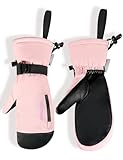
- High Quality: The ski mittens' surface is made from a double-layer construction: a high-density waterproof fabric and TPU. The interlayer fabric is made of 3M Thinsulate thick cotton. Snowboard mittens using seamless sealing technology to keep the hands warm and breathable, while effectively preventing water and cold air from entering.
- Separate Fingers Inside Mittens: Taking into account the natural shape of the hand and for providing a better fit, The snow mittens have separate fingers inside the mittens.The Snowboard gloves' lining is made of moisture-absorbing and breathable materials, suitable for hands that are prone to sweating. It quickly absorbs sweat, ensuring warm and dry hands.
- Touch Screen Design: In cold weather, fingered touchscreen ski mittens provide warmth and allow users to operate smartphones and other devices without taking the ski gloves off. The thumb with conductive fiber material is designed to touch the screen, so you don't have to choose between keeping your hands warm and using your devices.
- Comfort and Fit: The Snow mittens are designed with adjustable cuffs and wrist straps to ensure a tight fit with the sleeve. Choose the appropriate size (S / M / L) to perfectly wrap your hands, and the soft lining will provide a comfortable experience, similar to that of a baby's touch.WARM TIPS: To remove minor creasing shake out and hang garment overnight in a warm room.
- Durability and Maintenance: Supertrip ski mittens are constructed with PU leather to enhance grip and durability. They feature reinforced stitching to withstand various frictions and impacts during skiing. Our Snowboard mittens are suitable for any ski activities and everyday scenarios like snowboarding, snowmobiling, commuting, or just going outside in winter.
MCTi 2-in-1 Winter Ski Gloves (2 Pairs)

This 2‑in‑1 system gives you a thin, moisture‑wicking liner you can wear alone for everyday chores, plus a rugged outer shell you zip over for full‑day ski runs. The outer shell is waterproof and snow‑proof, while the inner Thinsulate C100 liner keeps your hands warm without adding bulk.
What Sets It Apart: Removable outer shell lets you switch from full‑day cold protection to lightweight daily wear without buying two separate pairs.
Best For: Outdoor enthusiasts who need serious cold protection but still want the option to dial back bulk for tasks that demand dexterity.
Pros:
- Dual‑layer system offers flexibility: outer shell for extreme cold, liner for everyday use.
- Waterproof outer shell and quick‑dry liner keep hands dry.
- Ambidextrous design simplifies sizing and storage.
Cons:
- Extra outer shell adds weight and bulk compared to single‑layer gloves.
- Both layers require regular cleaning to maintain performance.
- Only medium size is stocked, so fit may be off for some hands.

- Dual-Layer Warmth: Thin liner gloves + thick outer shell provide double insulation against extreme cold down to -35°C. The liner can also be worn alone for daily winter use.
- Breathable & Waterproof: The inner liner wicks moisture and dries quickly, while the outer shell is waterproof and snowproof. Your hands stay dry and comfortable even after all-day wear.
- Enhanced Flexibility: Remove the outer shell when performing tasks requiring dexterity (e.g., putting on ski gear, setting up tents). The slim-fit liner offers bare-hand-like flexibility while keeping your hands warm.
- Easy Maintenance: The inner liner is machine washable. The outer shell can be easily cleaned with a simple wipe.
- Versatile Applications: Ideal for snow rescue, backpacking, winter camping, mountaineering, skiing, and more.
INOGIH Winter Waterproof Windproof Ski Gloves for All

These mittens (listed as gloves) pair a waterproof, windproof shell with a soft, insulated lining. The non‑slip PU palm gives a solid grip on ski poles, and the gauntlet cuff seals out wind and snow. They’re marketed as unisex, making them a versatile option for anyone hitting the mountain.
What Sets It Apart: A true windproof design combined with a mitt‑style heat‑sharing silhouette offers extra warmth in blustery conditions.
Best For: Skiers, skaters, hunters, or hikers who need maximum warmth in wet, windy weather.
Pros:
- Finger‑to‑finger heat sharing keeps hands warmer than most gloves.
- Waterproof and windproof construction blocks moisture and drafts.
- Non‑slip palm provides reliable grip on equipment.
Cons:
- Professional dry‑clean‑only care limits convenient cleaning.
- Leather components need careful drying and storage away from sunlight.
- Mitten shape reduces fine‑motor dexterity.

- Waterproof, Windproof Winter SKi Mittens:Winter ski mittens keep your fingers together, which effectively keeps them warmer than ski gloves which fingers are separated. The soft lining against cold air
- Keep Warmth for Women and Men:The winter ski gloves,warm women mittens have thick lining,provide more warmth and comfort in cold weather
- Fashion and practicality:The design of this glove is often both fashionable and practical, suitable for outdoor enthusiasts who pursue trends and pay attention to functionality
- Durability:High-quality outdoor gloves are usually made of durable materials that can resist wear and tear in outdoor environments. These gloves are suitable for use in spring, autumn or early
- Occasion: Great women snow mittens design for skiing, make your hand warm at doing any outdoor sports, such as skiing ,skating, hunting, fishing, camping, hiking, snow activities
Pixel Panda Ski Mittens – Waterproof Insulated Gloves

Pixel Panda packs triple‑layer insulation—3M Thinsulate, natural cotton, and a soft sponge—into a waterproof shell with a sealed bag. Conductive fibers in the fingertips let you operate a phone without removing the mittens, and the PU leather palm stands up to repeated pole grabs.
What Sets It Apart: Triple‑layer insulation plus a full waterproof bag makes these some of the warmest mittens you can buy without a bulk‑heavy shell.
Best For: Climbers and back‑country skiers who face prolonged exposure to sub‑zero temperatures.
Pros:
- Three‑layer insulation delivers exceptional warmth.
- 100 % waterproof bag keeps hands dry in deep snow.
- Conductive fingertips enable touchscreen use.
Cons:
- Only X‑Small size is listed, limiting fit for most adults.
- Bulkier profile can hamper delicate tasks.
- Heavier insulation may feel overkill on milder days.

- Built For Warmth: Crafted specifically for frigid winter days, these snow mittens for cold weather feature a triple-layered, high-tech insulation system: made with premium 3M Thinsulate insulation, superior natural cotton, and soft sponge, stacked to create a comprehensive warmth barrier. Adjustable wrist strap design allows you to adjust freely, more comfortable. This innovative combination greatly enhances the warmth of the gloves.Easily meets the tough challenges of extreme cold weathe
- Ultimate Waterproof Guarding: Ski gloves outer layer selected high-level water-resistant technology fabrics, embedded seamless waterproof bag, building a double insurance. Effective protection against rain and snow, to ensure that every inch of the skin away from moisture intrusion. To achieve all-round 100% waterproof performance, so that your winter skiing trip to enjoy the worry-free, enjoy galloping in the snowy peaks
- Wear Resistant & Touchscreen: The men ski mittens palm section is made of abrasion-resistant PU leather and incorporates sophisticated conductive fiber technology on the surface of the leather. It provide excellent resistance to abrasion, at the same time to realize the entire palm area can be touch screen control. Whether it's to adjust the ski music playlist, answer calls, or take pictures, there's no need to remove the gloves, directly to achieve a smooth and unimpeded touch screen experience
- Details Reveal Quality: The warm gloves added an anti-loss wrist strap and clasp system so that when you take off your gloves for a short period of time, you can easily hang them from your wrists, so you don't have to worry about losing them whether you're making adjustments to your gear or enjoying a quick nap. With the anti-loss buckle system, two gloves can be fastened together with just one click,which is not only easy to carry, but also can quickly locate the gloves in the messy equipment
- Exclusive Gifts Box: the snow mittens go beyond the limitations of traditional five-finger gloves, realizing high compatibility with hand shapes, so that different hand shapes can enjoy exclusive and gentle wrapping. We have specially equipped a gift box that enhances the texture and warmth of the gift, so that the recipient can feel the full sincerity and warmth at the moment of opening.Great for birthday gifts, Christmas, and various other holidays!
Winter Snow Gloves with 3M Insulation and Lining

These gloves use a four‑layer stack: a leather shell, 3M insulation, cotton, and plush fleece. The PU shell blocks rain and snow, while the moisture‑wicking liner pulls sweat away from the skin. Conductive leather on the thumb and index finger lets you scroll without taking the gloves off.
What Sets It Apart: A leather‑PU hybrid shell gives a premium feel and solid grip while still delivering 3M insulation performance.
Best For: Outdoor enthusiasts who need sub‑zero warmth, reliable weather protection, and touchscreen capability.
Pros:
- 3M insulation and extended cuffs lock in heat.
- Touchscreen‑ready conductive leather on two fingers.
- Moisture‑wicking lining stays dry in rain or snow.
Cons:
- Fit can vary; you may need to try several sizes.
- Hand‑wash‑only care limits quick cleaning.
- Bulkier feel for users with smaller hands.
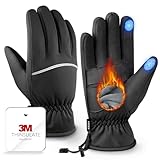
- 【4-Layer Warmth Protection】Sick of cold hands? Krosa winter gloves men feature a four-layer design with a leather shell, 3M insulation, cotton, and plush fleece lining. The lightweight, breathable 3M insulation delivers twice the warmth of high-loft materials, while cotton and plush fleece lock in heat, with plush fleece also offering a comfortable feel. Extended cuffs help keep your forearms warm, and even in sub-zero temperatures, these men's gloves for cold weather stay warm and flexible.
- 【Triple Protection】Made with a PU shell and special water-resistant coating, these winter cycling gloves effectively block wind, rain and snow. They also allow moisture like sweat to wick away, keeping hands dry and warm. The elastic wrist and adjustable drawstring seal out cold air for reliable protection. Whether you're cycling through morning mist, hiking in the snow, or walking at night, these thermal gloves ensure safety, comfort, and protection through every winter adventure.
- 【Precise Touch】No more taking off your ski gloves to use your phone! Highly sensitive conductive leather on the thumb & index finger lets you use touchscreens as if with bare hands. Take photos, answer calls or swipe screens effortlessly without exposing your hands to the cold. The anti-slip PU leather on palms & fingertips ensures a secure grip on trekking poles or steering wheels. Make Krosa mens/womens gloves your essential companion this winter!
- 【Thoughtful Details】Still looking for the right gloves? Try Krosa. Built with ergonomic design, they feature pre-curved fingers for a natural, flexible fit. The anti-loss buckle makes storage easy, ensuring that you always keep your snow gloves together. Reflective strips on the back provide added visibility whether you're cycling, running, or walking after dark. These winter cycling gloves ensure safety, comfort, and protection for every winter adventure.
- 【Worry-Free Service】Available in six sizes (XS–XXL). Fit may vary by hand shape and preference, so please check the size chart before purchase. Each pair of women's winter gloves includes a 30-day trial and 18-month warranty with easy replacement or refund if needed. Your winter essential is here. Stay warm, stylish, and comfortable all season long! Krosa gloves for cold weather also make an ideal gift for Christmas, birthdays, or any winter occasion. Note: Do not machine wash.
Tough Winter Ski Mittens — Waterproof Insulated Gloves

These mittens use SummitLoft insulation to trap heat while wicking moisture away. The waterproof nylon shell and breathable membrane keep snow out but still allow sweat to evaporate. A synthetic leather palm and reinforced nylon protect against ski edge cuts, and the wrist leashes keep the mittens snug on the lift.
What Sets It Apart: SummitLoft provides a lightweight yet high‑loft insulation that stays warm without the typical bulk of traditional mittens.
Best For: Snow sports enthusiasts who want maximum warmth, waterproofing, and edge protection on the mountain.
Pros:
- SummitLoft insulation delivers strong heat retention.
- Waterproof nylon shell with breathable membrane stays dry.
- Durable palm and reinforced shell guard against cuts.
Cons:
- Hand‑wash‑only care may be inconvenient after a day in the snow.
- Mitten design reduces fine‑motor dexterity.
- Heavier and bulkier than many lightweight glove options.

- BUILT FOR WARMTH: Keep hands dry and warm all day in snowy conditions. These waterproof insulated winter mittens feature our SummitLoft insulation, which retains body heat while allowing moisture to escape.
- WEATHERPROOF AND BREATHABLE: These adult mittens feature a waterproof nylon shell that blocks moisture and wind chill. The breathable membrane lets moisture escape and promotes airflow, keeping hands dry and comfy.
- WARMER THAN GLOVES: These mens and womens mittens are the warmest choice! Snow mittens provide more warmth compared to traditional adult waterproof snow gloves as fingers share body warmth.
- DURABLE: Our weatherproof gloves have a durable synthetic leather palm and reinforced nylon shell that stands up to ski or snowboard edges — so they're perfect snowboarding or skiing gloves!
- ADJUSTABLE FIT: Our waterproof mittens feature adjustable wrist leashes for a snug and warm fit. Plus, you can remove them and let them hang while you check your phone or eat a snack.
UMEWARM 5-Layer Waterproof Winter Gloves with Touchscreen

These gloves layer 5 times, using 3M insulation and polar fleece for warmth down to –10 °F. The outer TPU‑coated nylon blocks water, while a moisture‑wicking wool liner pulls sweat away. Enhanced PU leather on the fingertips gives full touchscreen control, and silicone grips keep poles and tools from slipping.
What Sets It Apart: A true 5‑layer thermal system that stays warm in sub‑zero wind while still offering full‑finger touchscreen use.
Best For: Skiers, cyclists, and outdoor workers who need serious warmth, waterproofing, and full touchscreen capability.
Pros:
- 5‑layer construction with 3M insulation keeps hands warm to –10 °F.
- Full‑finger touchscreen compatibility via enhanced PU leather.
- Waterproof, windproof outer shell with breathable, moisture‑wicking liner.
Cons:
- Multi‑layer build adds bulk, reducing fine dexterity.
- Higher price than basic gloves.
- Limited size range (M‑XXL) may exclude petite hands.

- custom thermal materials, including 3M insulation, premium ultra-wool, and polar fleece lining. Tested rigorously for outdoor cold resistance, they conquer -10°F chill. The high-soft polar fleece lining not only keeps you warm but provides comfort, making UMEWARM gloves for cold weather ideal for skiing, biking, or even fridge work. Say goodbye to cold hands!
- DOUBLE WATERPROOF PROTECTION, NO MATTER WITH WIND AND SNOW! The outer layer of the ski gloves is made of waterproof nylon, combined with an advanced TPU inner layer, ensuring that even the smallest droplets cannot penetrate the waterproof gloves! The moisture-wicking wool lining ensures your hands are "dry comfortable"! Our high density nylon is truly windproof, and the built-in elastic straps at the wrist, it is enough to withstand the wind and snow in any snow adventure!
- REVOLUTIONIZE TOUCHSCREEN USE! UNLEASH FULL-FINGER CONTROL! Enhanced PU leather design enables ten fingers to smoothly interact with screens. Non-slip silicone on palms and fingertips ensures a strong grip and durability, so you can wear these for everything from riding a motorcycle to shoveling the driveway. The portable buckle of snow gloves is not only convenient for you to carry them and more importantly, help you keep warm gloves always in a pair.
- UNMATCHED QUALITY, ENDURING COMFORT. Made of high-quality materials, UMEWARM mens winter gloves will last through many winters without the wear or tear. Their clever design balances warmth without bulkiness, offering lightweight flexibility. The adjustable cuffs feature upgraded zippers that facilitate easy wearing and removal, and also allow you to adjust the tightness for a snug or loose fit.
- WIDE SIZE SELECTION & TIMELY AFTER-SALES SERVICE. There are 4 sizes for choice from M to XXL and you can check it in our size chart before purchase. Four color options will make these mens gloves winter a best unisex gift for your friends and families. You can ask for the free replacement or refund even without the return if you get the wrong size or the defective products during the 18-month after sale service period. We promise that any questions will be responsed in 24h after you contact us.
Winter Ski Mittens for Men and Women, Insulated

These mittens feature a six‑layer build, including 140 g of 3M insulation, a windproof T800 polyester layer, and a waterproof bag. Individual finger slots inside the mittens reduce sweat buildup, and the PU leather palm offers a solid grip on poles. Touchscreen‑compatible zones let you answer calls without taking them off.
What Sets It Apart: Finger slots inside a mitten give a rare blend of warmth and reduced sweat, edging closer to glove comfort.
Best For: Skiers and snowboarders who need heavy insulation, waterproof protection, and a reliable grip.
Pros:
- Six‑layer construction with 3M insulation delivers extreme warmth.
- Waterproof shell and PU leather palm provide durability and grip.
- Finger slots improve sweat management and allow limited touchscreen use.
Cons:
- Bulkier than gloves, limiting fine dexterity.
- Can feel heavy on milder days or during low‑intensity activity.
- Longer drying time after a full soak due to multiple layers.
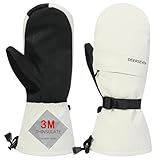
- GLOVES INSIDE MITTENS : This snowboard ski mittens, which have slots for fingers inside, the each finger is separated inside the mittens prevents sweaty hands. The mittens increase flexibility and grab more firmly during skiing.
- UPGRADED 6 LAYERS OF SKI MITTENS & 3M INSULATION : The waterproof gloves are constructed in 6 layers including windproof T800 four-sided elastic surface polyester, over 140G premium 3M NEW SHERRY COTTON, and ultra-soft polar fleece lining, which is isolated your hands from cold even in -20℉ weather.
- WEATHERPROOF AND BREATHABLE : The ski mittens design with thermal insulation, super warm for extremely cold weather. The soft inside lining of the gloves provide more warmth, great moisture permeability and breathability, it shut out the water or sweat go out, keep hands warm and dry all day. The outer fabric made of water resistant cloth with the built in seamless waterproof bag, so the ski gloves has excellent waterproof and windproof properties.
- SKIDPROOF WEAR-RESISTANT : The ski mittens made with full palm PU leather, good wear resistance, long lasting for several ski seasons. Safe and non slip when holding ski poles, snow shovels, ice scraper. Thumb of the mitten touch screen compatibility is great plus for ski mittens, it will allow to response to your smart phone, smart watch and other smart device without taking off gloves in cold winter.
XuoAz Unisex Ski Snow Gloves Waterproof Warm

The XuoAz gloves use a TPU waterproof membrane, a soft Tricot lining, and a gauntlet cuff for full‑coverage heat retention. Conductive material on the thumb and index finger provides touchscreen use, while the microfiber palm offers solid grip for poles or shovels.
What Sets It Apart: A mitten‑style shell with a TPU membrane gives glove‑like dexterity at a lower price point.
Best For: Skiers and outdoor enthusiasts who want waterproof warmth, touchscreen capability, and decent dexterity without breaking the bank.
Pros:
- TPU membrane keeps hands dry in wet snow.
- Thick insulation and gauntlet design retain heat.
- Touchscreen‑compatible thumb and index finger.
Cons:
- Hand‑wash‑only care can be inconvenient after a day out.
- Medium size may not suit all hand shapes.
- Mitten‑style reduces fine‑motor control for tiny tasks.

- Keep Warm & Comfortable: The winter warm ski gloves has soft and comfortable Lining . It is thick enough to keep hands warmth in cold weather. Tricot linings provide next-to-skin comfort and full-coverage gauntlet keep heat in and snow out, which provide reliable weather protection from cold elements
- Waterproof & Windproof: The Winter ski mittens gloves back hand is a high-density water-repellent polyester cloth and high breathable TPU waterproof membrane on the interlayer, which prevents external
- Touchscreen Technology: Touchscreen compatible all thumb & index finger part, which allows you pick up call when skiing, snowboarding and riding without taking off the gloves, capture every
- Occasion: The Ski mitts gloves is multifuctional to use in cold winter cycling, driving, riding, running, shoveling snow and other winter outdoor sports activities.Bendable fingers give you more
- Best Choice For Winter Gifts: The snug-fit winter gloves is the warmest.It is practical christmas and birthday gift for family or friends
UMEWARM -10°F Ski Mittens, 3M C100, Waterproof

These mittens are built for extreme cold, featuring a 5‑layer system with 3M C100 insulation and a double‑layer waterproof barrier. The anti‑slip PU palm, zip pocket, and wipe area add practical features for ski days, while the insulated cuff keeps the cold out.
What Sets It Apart: The double‑waterproof barrier plus 3M C100 insulation claims up to twice the warmth of comparable mittens.
Best For: Skiers and outdoor enthusiasts needing proven warmth and water protection down to –10 °F.
Pros:
- 5‑layer construction with 3M C100 delivers extreme heat retention.
- Double waterproofing plus breathable membrane keeps moisture out.
- Anti‑slip PU palm, zip pocket, and wipe area add convenience.
Cons:
- Bulky profile reduces dexterity for fine tasks.
- Only available in black, limiting style options.
- Higher price compared to basic gloves or mittens.

- WARMTH BEYOND WINTER, ENGINEERED FOR COLD! Keep your hands warm throughout the cold winter by UMEWARM 5-layer thermal ski mittens women men. Made with 3M C100 insulation material, these snow mittens are 2X warmer than others. You won't feel them bulky due to their excellent warmth-to-thickness ratio. Combining premium polar fleece and thermal cotton, the ski gloves women men create a haven for your hands, ensuring ultimate warmth even in -10°F.
- DOUBLE WATERPROOF, SNOW OR RAIN! Crafted with high-density nylon and premium TPU, these waterproof snowboard mittens offer dual protection against wind and water to prevent rain or snow penetration. Moreover, our breathable TPU membrane prevents moisture ingress and promotes airflow to perspire. Keep your hands warm and dry during outdoor activities like skiing, fishing, shoveling snow, or hiking.
- ANTI-SLIP PU PLAM, EXCELLENT GRIP! The ski gloves feature anti-slip PU covering the palm and grabbing side of the digits. The crack pattern of the PU enhances friction. These ski mittens ensure you have firm grips on your ski poles or other equipments, even in harsh weather conditions. The snowboard gloves provide extra safety for you who love skiing, minimizing the risk of accidental slips or falls due to damaged grips, allowing you to be confident and safe during your alpine adventures.
- THOUGHTFUL DETAILS FOR THE ULTIMATE EXPERIENCE! The zippered pocket on the back of the winter mittens allows you to insert hand warmers for extra warmth or store small items to prevent loss. Adjustable drawstrings make it easy to put on the gloves and effectively seal in warmth. The wrist buckle strap design keeps the gloves attached, offering you a custom fit. With a soft nubuck on the thumb, you can wipe drips or fogged goggles. Ensuring you have a clear and enjoyable time on the slopes.
- HASSLE-FREE AFTER-SALE SERVICE - We are fully committed to providing the best experience and strive to meet your goal for each session. Whether you are looking for the sports gloves or the daily work gloves in winter, we will be always your partner to ensure you cozy and comfortable. Get UMEWARM mittens for men women cold weather now with the 30-day trial and 18-month after sale servce which promise you the replacement or refund if you are unsatisfied even without the RETURN!
EXski Waterproof 3-Finger Ski Gloves for Winter

The EXski 3‑finger design keeps two fingers together for warmth while leaving the thumb free for pole grip. A 40 g 3M Thinsulate core offers lightweight insulation, and a dual‑layer FAN‑TEX membrane blocks water. PU leather on the palm supplies a secure grip on poles and equipment.
What Sets It Apart: The three‑finger hybrid gives you a grip on ski poles while still retaining most of the warmth benefits of a mitten.
Best For: Snow sport enthusiasts who value warmth and waterproofing more than full finger dexterity.
Pros:
- 40 g 3M Thinsulate provides lightweight warmth.
- Dual‑layer FAN‑TEX waterproof membrane stays dry in heavy snow.
- Three‑finger design allows pole grip and limited device use.
Cons:
- Reduced dexterity compared to full‑finger gloves.
- Medium size may not fit all hand shapes.
- Bulkier feel due to insulation can limit precision tasks.

- 【Warm in Winter】: The winter mens mitten is composed of 40g G-Type 3M thinsulate insulation (it is tested twice warmer than normal insulations, yet lightweight and breathable), which is much warmer than normal gloves. Keep hands warm in temperature around -4℉.
- 【Dual-Layer Waterproof】: The waterproof FAN-TEX membrane insert prevents water from soaking into the cold weather gloves; Hands won't be wet during winter sports for the ski mittens nylon shell is water resistant.
- 【Flexible 3 Fingers Design】: the warm winter mitten is a real mitten design; two separate fingers provide more flexibility for gripping skiing devices, such as ski pole, snowboard and your smart phones. Especially suitable for snowboarding, snowmobiling, motorcycling, shoveling snow and etc.
- 【Anti-Slip and Durable】: PU leather palm makes the winter mittens skid proof while using, just enjoy your snow sports without worrying about suddenly slippery. The Nylon coat is tear-resistant, not easy to scratch or tear, to protect your hands from injury in skiing and prevent water or melting snow from penetrating into the warm mittens.
- 【Ideal Companion for Snow Sports】: Adjustable wrist strap and elastic drawstring in the cuff for different snug fit and keep chilly wind outside; no irritation by one glove apart from another one, thanks to its auto-clips design.
Ihuan Winter Waterproof Ski Gloves for Men Women

Ihuan’s gloves focus on lightweight comfort and touchscreen access. The waterproof outer layer resists light rain and snow, while a soft fleece lining adds warmth without bulk. A non‑slip microfiber palm gives solid grip for driving or handling a phone.
What Sets It Apart: A low‑profile, lightweight construction that still offers water resistance and full touchscreen capability.
Best For: Everyday winter activities like commuting, shoveling, or casual hiking where you need dexterity and modest warmth.
Pros:
- Lightweight design preserves hand dexterity.
- Conductive fabric enables full touchscreen use.
- Non‑slip microfiber palm offers reliable grip.
Cons:
- Cuffs are not fully waterproof; wrists can get damp in heavy snow.
- Not suited for extreme cold or prolonged immersion.
- XS sizing runs small; may not fit larger hands comfortably.

- Keep Warm, Windproof, Water-resistance - As the blockbuster product, ihuan mens winter gloves integrate stylish and performance. Skin-friendly waterproof fabric outer, soft and dense fleece lining, combined with the adjustable windproof cuff to keep snow and ice from getting inside, increasing the force for the cold resistance. Keep your hands warm and comfortable in freezing winter. Best suited for temperatures of 20 °F - 32 °F (Not applicable in extreme weather)
- Light, Soft and Not Bulky - A pair of lightweight, windproof, water-resistance winter gloves are more suitable for daily life and work. It can keep your hands warm and dry even on snow or light rain days. Whether shoveling snow, cycling, driving, running, hiking, camping, snowball fights, skiing, walking dogs, outdoor chores, etc. It's a perfect choice.(The cuffs of the gloves are not waterproof, so please avoid getting the cuffs wet.)
- Non-Slip Palm Design - Covered with anti-skid design of microfiber leather on the palm, which effectively increases the grip and abrasion resistance of ihuan thermal winter gloves. You can grip things firmly to ensure safety. Such as gripping the steering wheel firmly when driving, and holding your phone well to prevent it from falling and breaking.
- Sensitive Touchscreen - We've tested multiple conductive fabrics over and over again to achieve a more sensitive touchscreen experience. Our therm gloves for cold weather can keep your hands warm but still allow you to operate your phone. Don't miss important calls, deal with urgent work in time, and take pictures of beautiful scenery.
- Washing and Drying Instructions: Turn the gloves inside out. Hand wash at room temperature using a mild detergent. Do not wring the gloves vigorously (to avoid damaging the internal waterproof membrane). Do not use high-temperature drying methods (such as a dryer), as heat may compromise the membrane's waterproofing. Instead, lay the gloves flat to dry naturally in a cool, well-ventilated area or in the shade.
OutdoorMaster Thermal Waterproof Ski Mittens with Touch

These mittens pack 140 g of insulation behind a water‑repellent shell and an inner TPU membrane. The thumb has a conductive leather patch for touchscreen use, and the PU palm provides a non‑slip grip. Adjustable wrist straps and elastic cuffs seal out snow and wind.
What Sets It Apart: A balanced 140 g insulation level that stays warm without the extreme bulk of heavy‑duty mittens.
Best For: Skiers and snowboarders who want a warm, waterproof mitten with easy touchscreen access.
Pros:
- 140 g insulation offers solid warmth for all‑day runs.
- Dual‑layer waterproof and windproof construction keeps moisture out.
- Thumb touchscreen patch and nose‑wipe pocket add convenience.
Cons:
- Bulky mitt shape reduces fine dexterity.
- Sizing can be tricky; small may be too tight for larger hands.
- Only available in black, limiting color choice.

- Warm Winter Gloves for Cold Weather: Crafted with 140g insulation cotton, ski gloves effectively create a thermal barrier, combination with adjustable wrist strap, blocks cold air out to keep excellent warmth. Maintains breathability and comfortable. Ensure your hands flexible during extended activity such as skiing, snowboarding, snowmobile.
- Superior Waterproof & Windproof Ski Mittens: The outer water-repellent shell and inner TPU waterproof membrane provide dual-layer defense against moisture. Adjustable wrist buckles and elastic cuff cords secure the gloves in place, sealing out snow and cold wind.
- Thumb Touchscreen Gloves: Soft and flexible leather provide thumb touchscreen function for snow gloves. You can flexibly control the electric deviceswithout taking off the warm winter gloves in the cold winter, boosting a lot of convenience and efficiency.
- Non-slip Palm & Nose Wipe-Thumbs: Non-slip and wear-resistant PU leather patch palm ensures gripping whether you are skiing, boarding, cycling, sledding, or lobbing snowballs. Snow mittens thumbs with soft material could use for nose wipe/glasses.
- Double Pockets & Anti-lost Design: Equipped with waterproof double zipper pockets on the back of the ski gloves, for easy carrying of cards, keys or small hot pack. Anti-lost buckles connect the gloves together and Built-in wrist straps keep mittens secure—never lose gloves!
Factors to Consider When Choosing Waterproof Mittens vs Winter Gloves
When you’re deciding between mittens and gloves, think about the level of waterproofing you need, how much insulation you want, and how much dexterity you’ll actually use on the mountain or in daily life. A good seal at the wrist, the right amount of layers, and a material that breathes will keep you dry and warm without overheating.
Waterproofing Level
True waterproof gear uses a dedicated barrier—usually a TPU membrane and sealed or taped seams. A water‑repellent finish isn’t enough for prolonged exposure to heavy snow or rain. Look for high‑density outer fabrics paired with an inner waterproof membrane, and make sure the cuffs and closures are tight enough to keep water from sneaking in.
Insulation Effectiveness
Mittens naturally keep you warmer because the fingers share heat. Insulation performance climbs with more layers or higher‑loft materials (e.g., 140 g of Thinsulate or SummitLoft). Moisture‑wicking linings and breathable membranes are essential; wet insulation loses its ability to trap heat.
Dexterity Trade‑Offs
Gloves give you better finger control for zippers, phone screens, and small tools. Mittens trade that freedom for warmth; many now include conductive fingertips or removable outer shells to regain some dexterity when you need it.
Warmth Retention
Thicker insulation and a snug, windproof outer shell are the biggest contributors to warmth. A well‑designed cuff that seals against the forearm can add several degrees of protection in windy conditions.
Fit And Sizing
Mittens often come in broad S/M/L categories, while gloves may offer a full numeric size range. Adjustable cuffs, drawstrings, or buckles can help you fine‑tune the fit if you’re between sizes.
Weather Adaptability
Look for breathable liners and moisture‑wicking fabrics that let sweat escape while keeping rain and snow out. This balance is key for activities that move from dry, sunny slopes to wet, slushy conditions.
Longevity And Care
Hand‑wash‑only or dry‑clean‑only items can be a hassle, but they often protect delicate waterproof membranes. Choose products with reinforced stitching, PU or synthetic leather palms, and a solid warranty for the best long‑term value.
Use Scenarios
Extreme cold sports (skiing, snowboarding, snowmobiling) benefit most from mittens. If you need to operate a phone, adjust bindings, or handle small tools, look for gloves with conductive fingertips or a 2‑in‑1 design that lets you remove the outer shell.
Frequently Asked Questions
Which Keeps Hands Warmer in Wind Chill: Mittens or Gloves?
Mittens win because they keep your fingers together, reducing exposed surface area and trapping more body heat. Pair them with a wind‑resistant cuff for the best protection.
How Does Dexterity Differ Between Mittens and Gloves?
Gloves let each finger move independently, making it easier to zip, tie, or tap a screen. Mittens sacrifice that freedom for warmth, though many now include conductive fingertips or removable shells to regain some dexterity.
Are Waterproof Mittens Easier to Dry After Soaking?
Not really. Because mittens trap more air inside a single pocket, they often take longer to dry than gloves. Gently wring out excess water, pat with a towel, and air‑dry in a well‑ventilated area.
Do Mittens Dry Faster Than Gloves When Air‑Dried?
Gloves usually dry faster because each finger is exposed to more airflow. Removing any removable liners and laying the mittens flat can help speed up the process.
Which Is Better for Handling Small Objects in Snow?
Gloves provide the finer control you need for small objects, tools, or phone screens in snowy conditions. Mittens are better when warmth is the top priority.
Conclusion
If you value maximum warmth and a dry interior, go with a high‑quality waterproof mitten. If you need to manipulate small gear, answer texts, or perform precise tasks, a well‑insulated glove with touchscreen capability will serve you better. Consider the specific weather, activity, and dexterity demands of your next adventure, and choose the handwear that keeps you both warm and functional.
